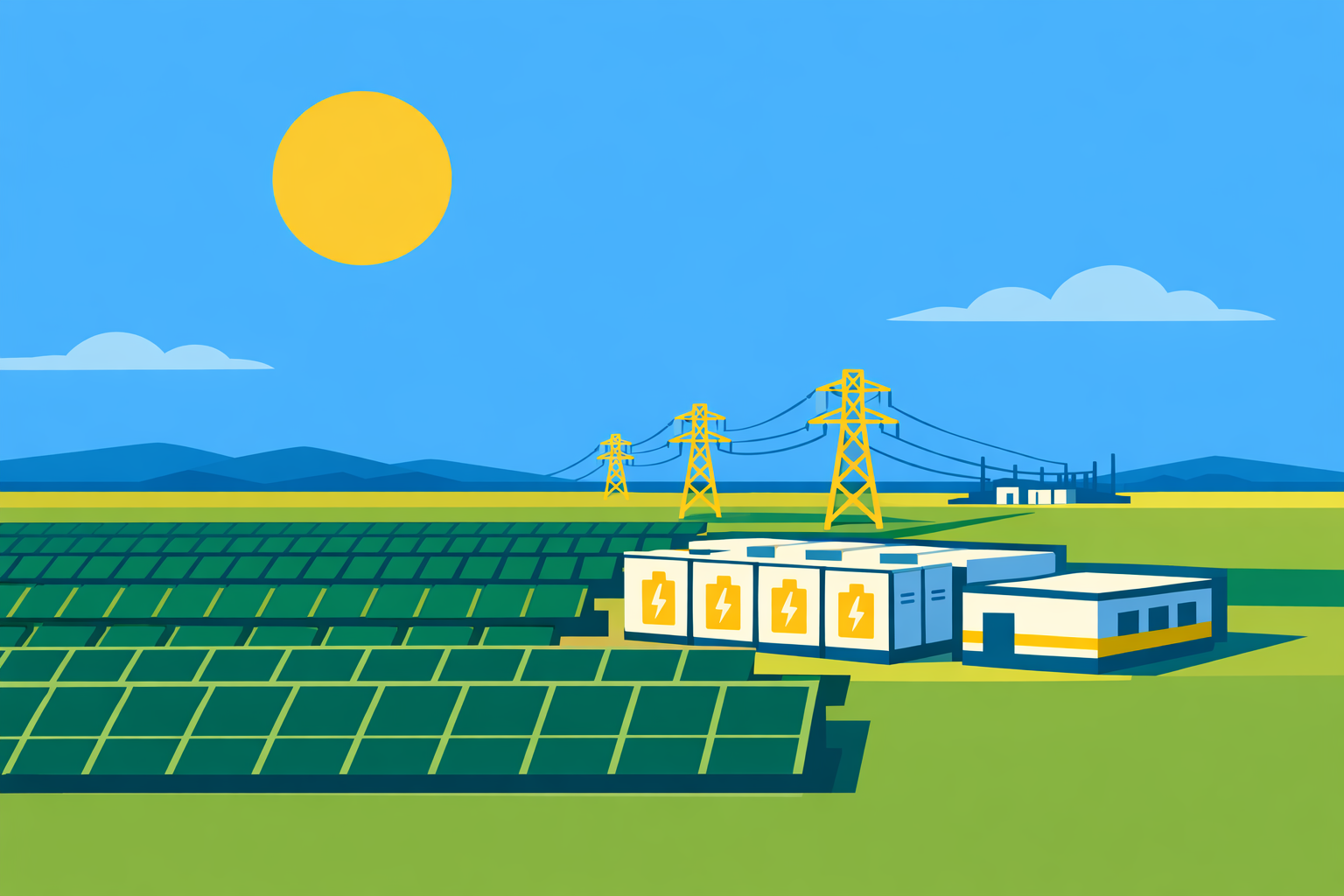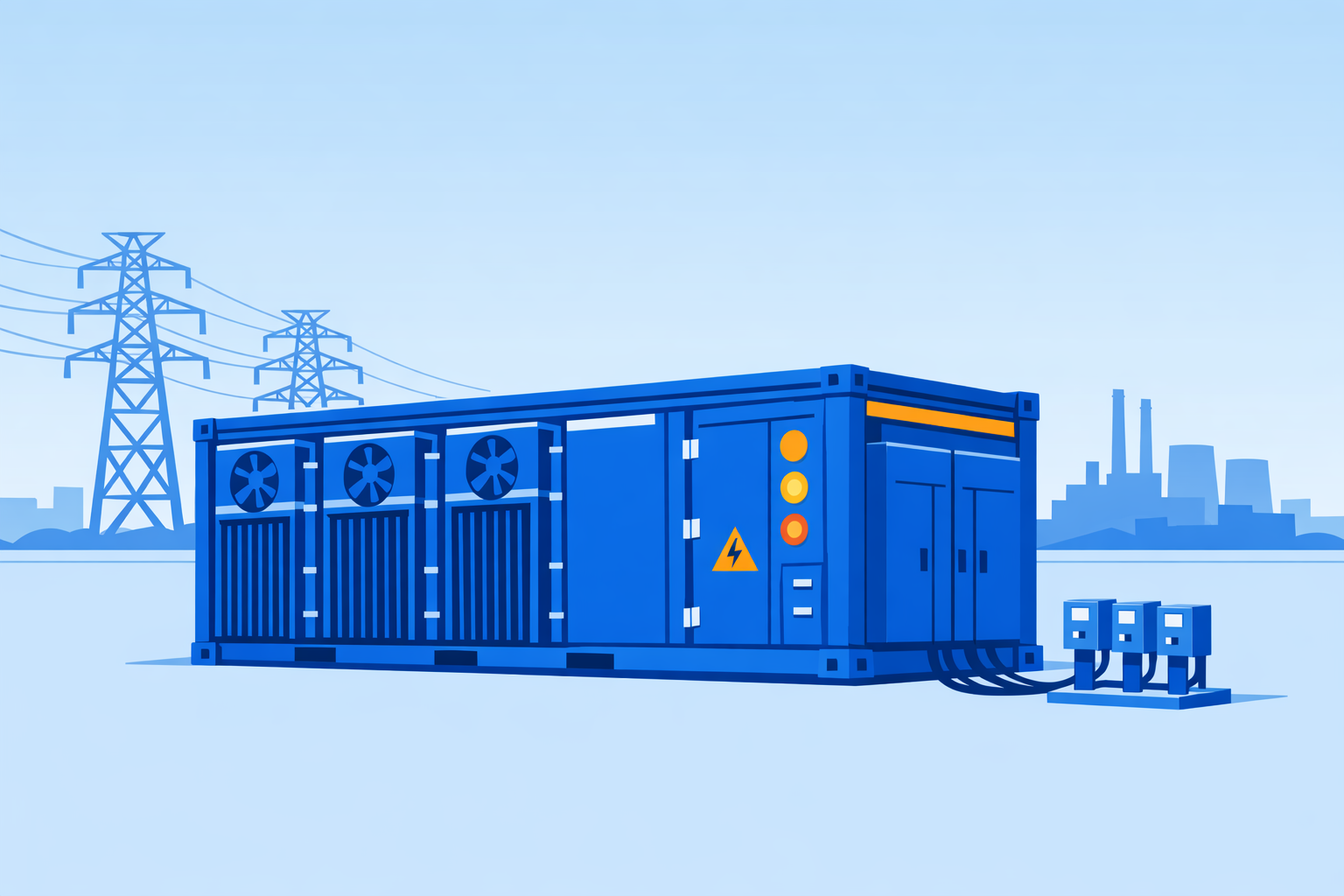
Chinese battery manufacturer Gotion High-Tech has announced that its Gotion Grid Gen2 high-voltage cascaded energy storage system, rated at 5 MW and 18.8 MWh in a single cabin, has passed a scientific and technological achievement appraisal and received an "international leading" designation, signaling a push toward GWh-scale deployment. The system was first unveiled at SNEC 2025 and represents the company's second-generation grid storage architecture. According to Gotion, the product has moved beyond the concept stage and is now "validated, proven, and deployment-ready." At launch, Gotion reported receiving letters of intent from multiple customers totaling more than 3 GWh of capacity.
Background
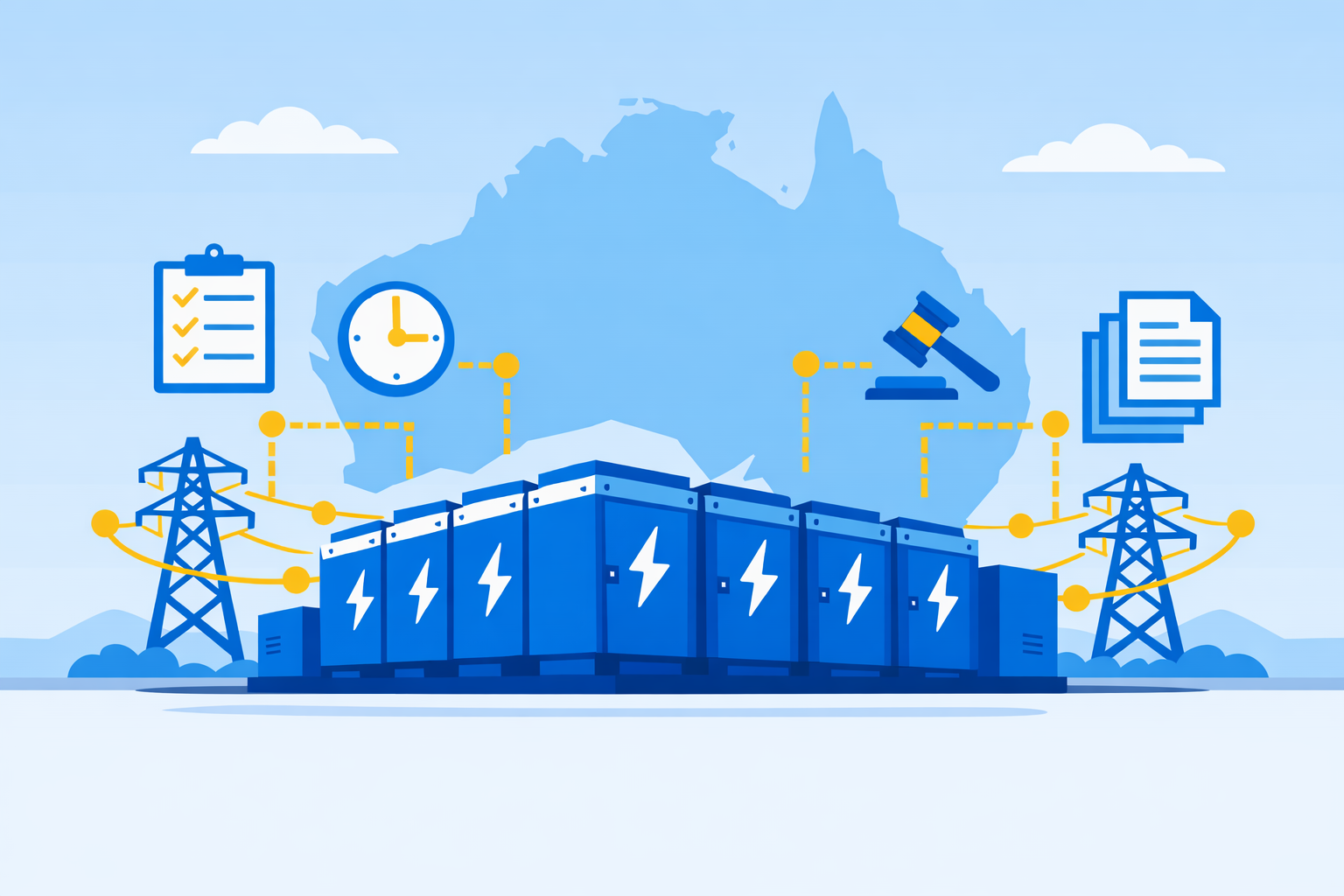
The announcement arrives as grid-scale battery storage faces simultaneous pressure to scale rapidly and navigate complex interconnection processes. Energy storage is being deployed at unprecedented rates, with over 15 GW of batteries added to the U.S. grid in 2025 alone, according to EIA data. Yet deployment speed remains constrained by regulatory bottlenecks. Fewer than a quarter of energy projects entering U.S. interconnection queues reach completion, as developers and utilities contend with infrastructure limitations and cost-allocation disputes. As of Q2 2025, batteries account for approximately 46% of total capacity in the U.S. interconnection queue, according to CAISO.
Against this backdrop, manufacturers are competing to pack more energy into fewer, larger enclosures-lowering per-site equipment counts and reducing the number of grid connection points required per project.
Details
High-voltage cascaded energy storage is a modular battery architecture in which multiple battery-inverter units connect in series to collectively reach grid-level voltages. This enables direct connection to medium- or high-voltage networks without a large central transformer. That transformer elimination is a material advantage: conventional utility-scale BESS projects require separate power conversion systems and step-up transformers, which add cost, footprint, and potential failure points during interconnection studies.
Gotion describes the new system as a "three-phase, one-cabin" grid-forming architecture, meaning all three electrical phases used in standard AC systems are integrated into a single enclosure housing batteries, inverters, and control systems. It features hybrid air-and-liquid cooling, seven-level safety protection, AI-powered predictive maintenance, and a modular design intended to enhance scalability and space efficiency. The company targets long-duration storage, grid support, and GWh-scale deployment with the product line.
Gotion's existing Gen1 portfolio provides market context. The company's 5 MWh liquid-cooled Gen1 system has secured China's CGC certification, CSA UL certification, and TÜV SÜD compliance certification under EU Battery Regulation (EU) 2023/1542. That system features long-lifespan battery cells capable of up to 12,000 cycles, and its modular cabin design can reduce land use by up to 35%. The Gen2 system pushes density and integration further, packing 18.8 MWh-nearly four times the energy-into a single interconnection point.
Exact Gen2 specifications such as dimensions and weight have not been disclosed, and available imagery suggests potential transportation challenges.[1] A detailed technical specification sheet has not been publicly released, leaving several open questions-particularly around logistics and market availability.
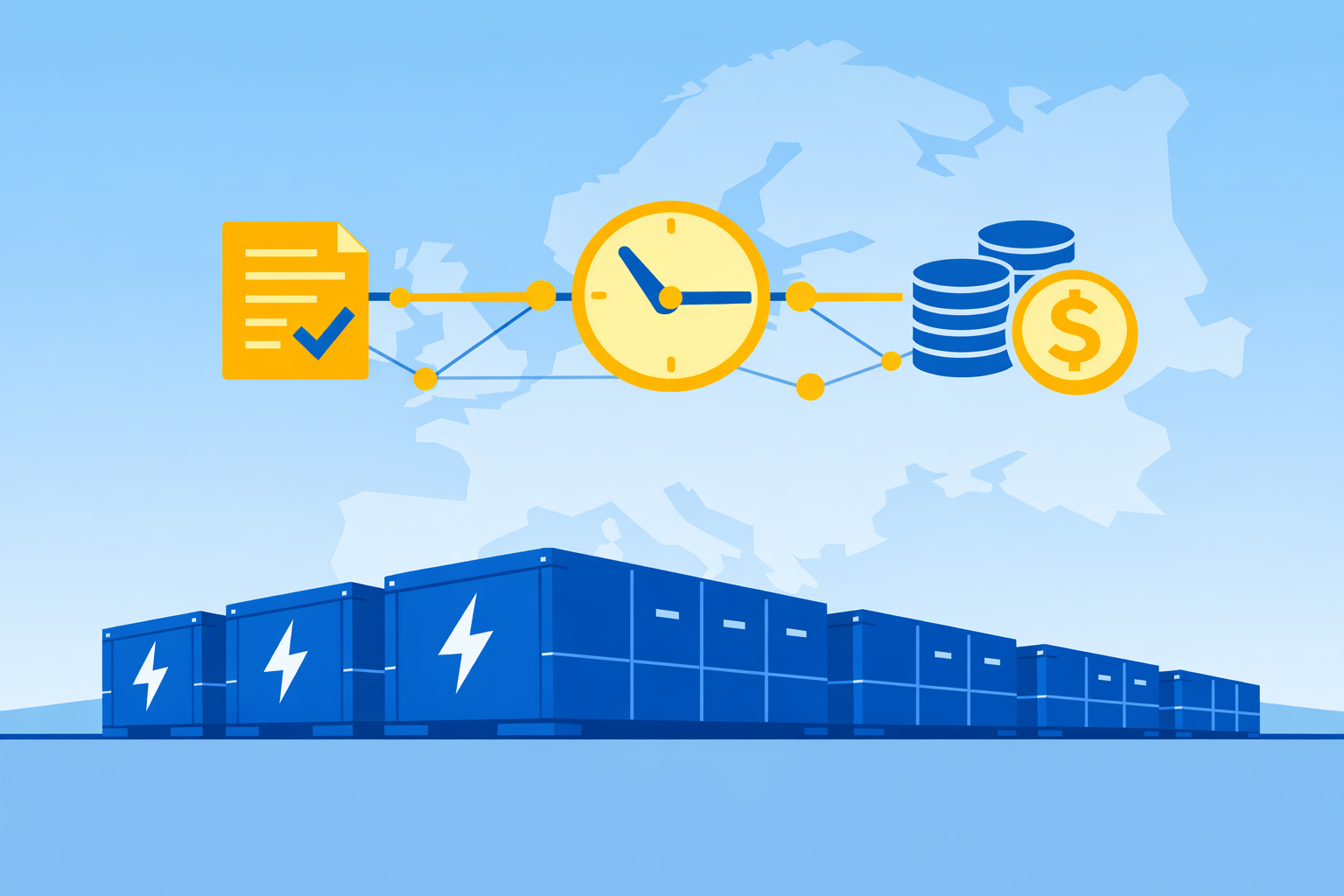
The Gen2 product also enters a market where interconnection frameworks are actively evolving. A "plug-and-play" protocol approach that reduces the need for bespoke interconnection studies and costly upgrades could shorten the timeline for building and connecting new projects to the grid, according to analysis published by the World Economic Forum. Standardized, pre-certified enclosures like the Gen2 cabin are one mechanism suppliers are deploying to reduce site-specific engineering requirements. FERC finalized its interconnection reform through Order 2023 in July 2023, but a lack of standardization across states on readiness protocols means best practices continue to evolve.
Outlook
California projects a need for nearly 58 GW of electricity storage to meet its 100% clean energy target by 2045. Gotion's expanding product portfolio-from standardized Gen1 containers to the high-voltage cascaded Gen2 architecture-positions the company to compete for large-scale procurement across North America, Europe, and the Middle East, where it has already secured orders through the ACWA Power supply chain. Full commercial specifications and international certification timelines for the Gen2 system have not yet been confirmed. For further context on interconnection queue challenges affecting utility-scale BESS projects, see our earlier analysis of the Trego 200 MW BESS approval near Reno.