In July 2024, a voltage fluctuation in northern Virginia triggered the simultaneous disconnection of 60 data centers, producing a sudden 1,500 MW power surplus[1] that forced emergency grid adjustments to prevent cascading outages. That single event captured a structural tension now defining the energy sector: hyperscale computing demand is accelerating faster than grid infrastructure can accommodate it.
The scale is significant. According to Lawrence Berkeley National Laboratory projections cited by the Belfer Center, U.S. data center electricity consumption is forecast to grow from 176 terawatt-hours (TWh) in 2023-approximately 4.4% of national electricity use-to between 325 and 580 TWh by 2028, or 6.7-12.0% of the total[1]. AI workloads are the primary driver, with Goldman Sachs projecting global data center power consumption to increase 165% by 2030[2].
Into this gap has stepped Redwood Materials-a Nevada-based battery recycling company valued at $6 billion-with a model that converts end-of-life EV batteries into on-site generation and storage infrastructure for AI data centers.
The Redwood Model: Second-Life Batteries as Grid Relief
Redwood Materials was founded in 2017 by JB Straubel, former Chief Technology Officer of Tesla, to build a circular supply chain for lithium-ion batteries. The company currently processes 20 GWh of batteries annually-the equivalent of approximately 250,000 EVs-representing roughly 90% of all lithium-ion batteries recycled in North America.
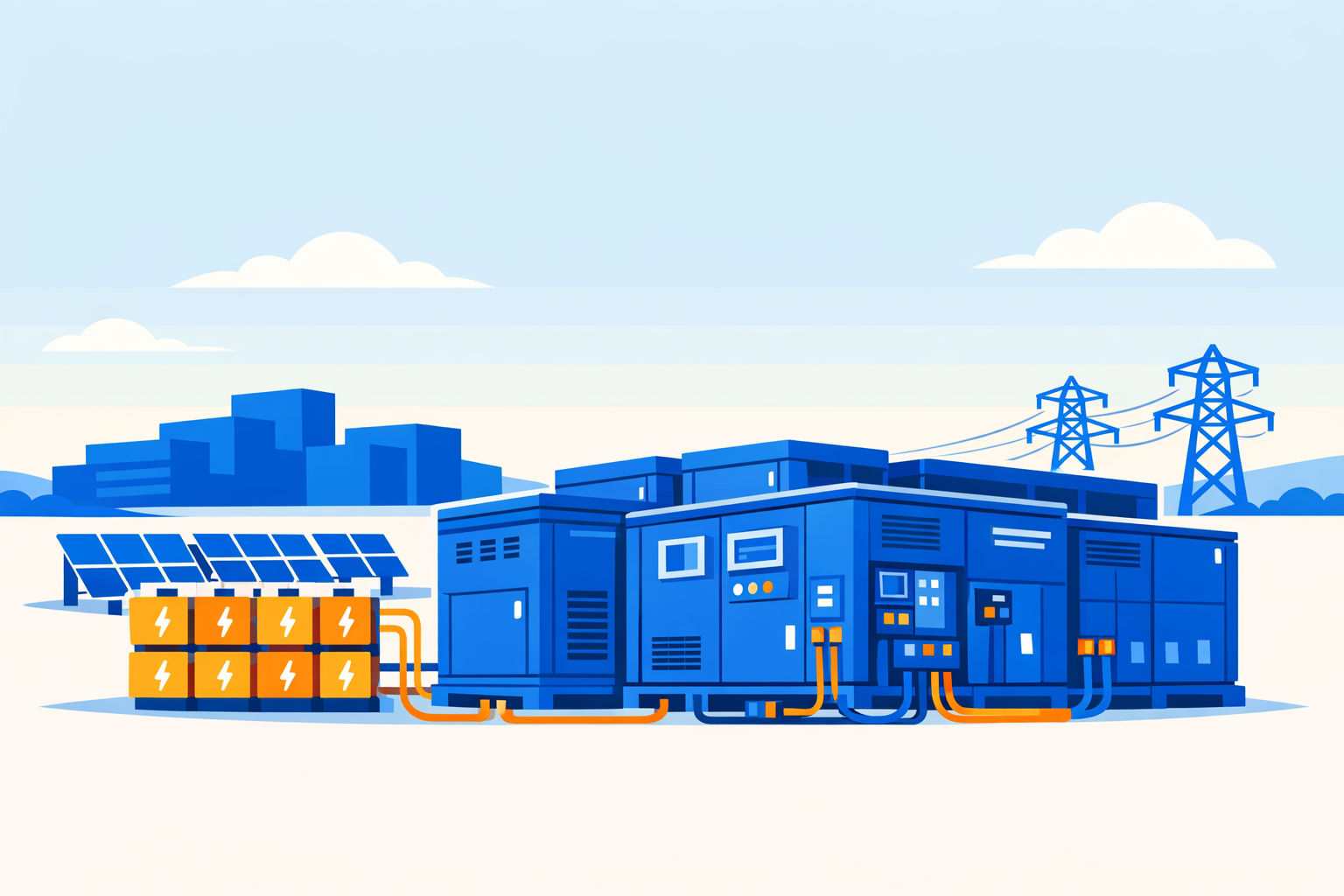
In June 2025, Redwood launched a new business line-Redwood Energy-that repurposes used EV battery packs into modular, stationary storage systems before those packs reach end-of-life recycling. Many EV batteries retain more than 50% of their original capacity after retirement from vehicle service, sufficient for lower-stress grid applications such as load shifting, solar smoothing, and backup power.
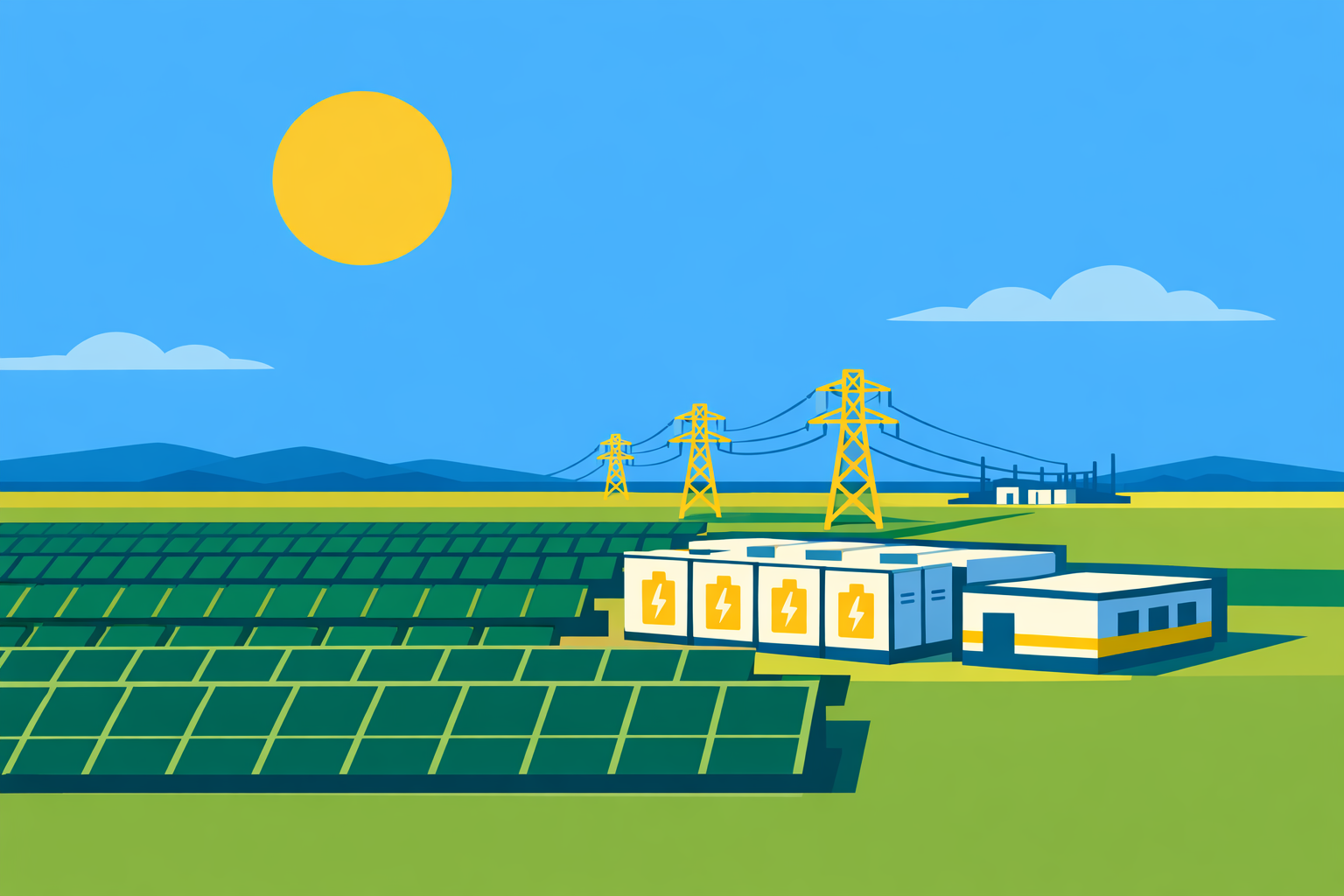
The first deployment, built in collaboration with AI data center developer Crusoe, sits on Redwood's 100-acre campus in Sparks, Nevada. The 12 MW / 63 MWh microgrid-powered by a 20-acre solar array paired with second-life EV batteries-is the world's largest deployment of second-life batteries and the largest microgrid in North America. The build was completed in five months from ground-clearing to commissioning, with no grant applications required.
"By pairing repurposed batteries with Crusoe's modular data-center platform, we can stand up dependable power wherever new compute is needed, without waiting years for new grid capacity." - JB Straubel, Founder and CEO, Redwood Materials
Performance results have reinforced the business case. Since commissioning in June 2025, the microgrid has delivered 99.2% operational availability over seven months of continuous operation, exceeding reliability expectations. Based on that performance, the two companies expanded the campus from 4 to 24 Crusoe Spark™ modular data center units-a nearly 7x increase in compute density[3] on the same energy infrastructure footprint.
Cost position is a key differentiator. Redwood Energy systems are described as costing "substantially less" than new lithium-ion storage projects[4], and the Sparks microgrid delivers energy below the local utility rate, eliminating peak-tariff exposure entirely.
Why On-Site Generation Is Becoming Mandatory
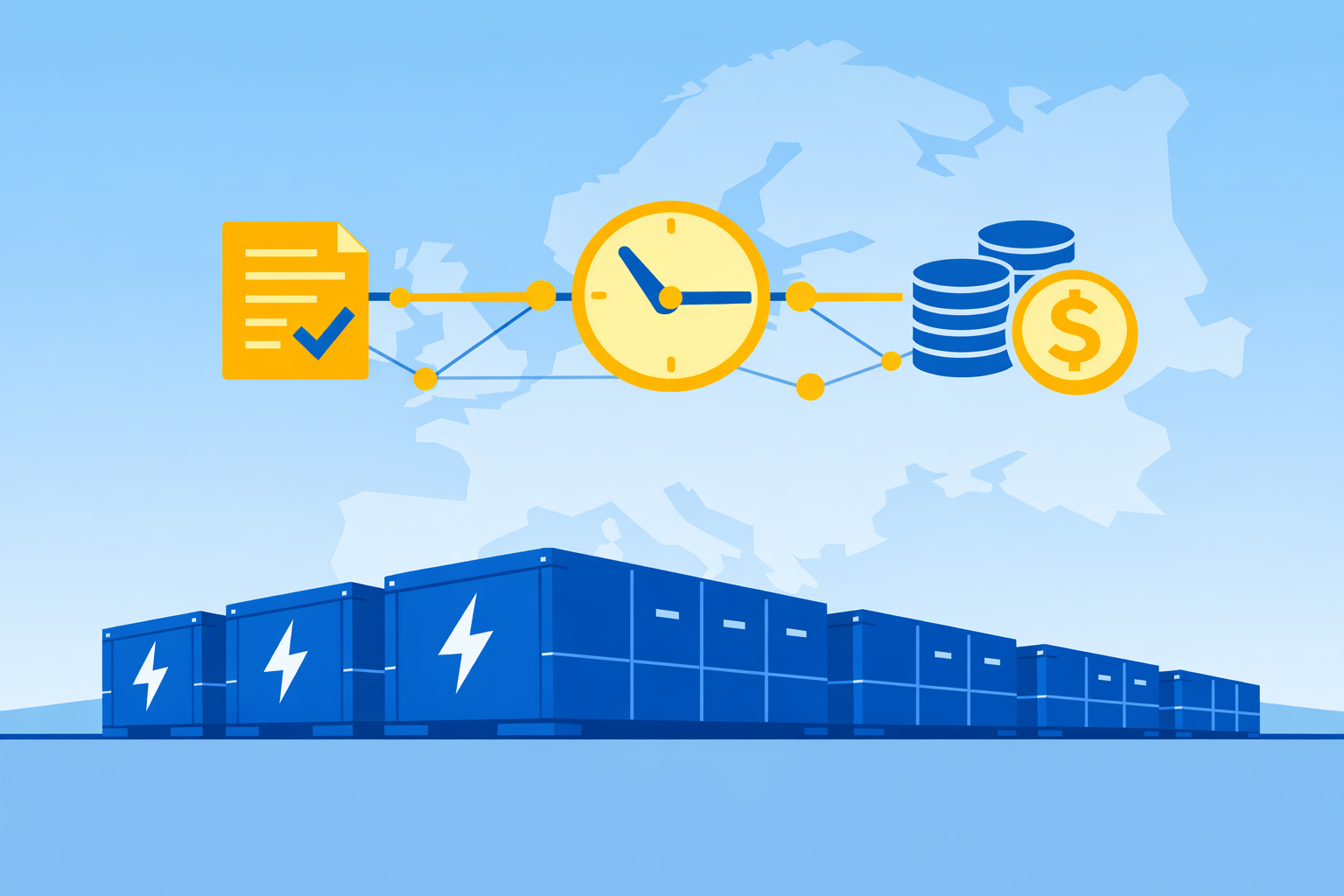
The Redwood-Crusoe model directly addresses a systemic bottleneck: interconnection queues. Colorado-based Crusoe reports that connecting a new data center to the grid typically requires years of bureaucratic review and utility approval, with no guarantee of access at the end of that process. In Europe, grid connections for hyperscale operators can take up to seven years[5], compressing development timelines and undermining capital deployment schedules.
The numbers illustrate the urgency. A Bloom Energy 2025 data center power report found that more than 30% of operators now plan to use on-site generation as a primary or supplemental power source by 2030, more than double the rate from a year earlier. Over 8.7 gigawatts of on-site capacity have already been announced or are under construction[6] across the sector.
In 2025, data centers evolved from passive utility customers to active energy planners[7], investing in on-site generation, battery storage, and flexible demand management to serve AI workloads and meet sustainability commitments. The shift is structural, not cyclical.
Tariff Reform and the Regulatory Reckoning
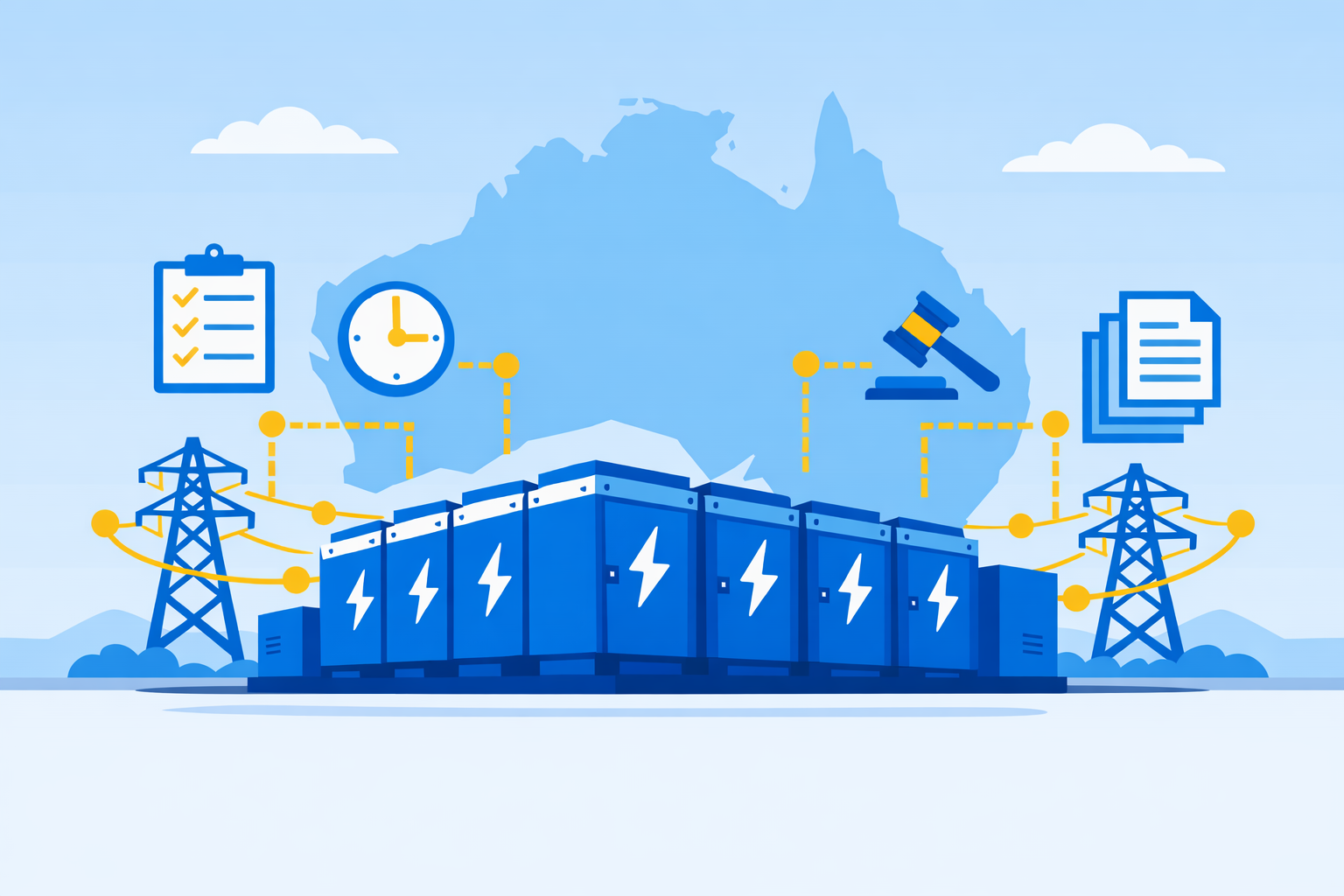
Grid strain from large data center loads has prompted a significant regulatory response. On December 18, 2025, the Federal Energy Regulatory Commission (FERC) issued a landmark order to PJM Interconnection[8], the nation's largest regional grid operator, finding that PJM's existing tariff was unjust and unreasonable in its treatment of co-located generation and large loads.
FERC directed PJM to create three new transmission service options for co-located data center loads:
- Network Integration Transmission Service (NITS): Full network designation, billed on a gross demand basis.
- Firm Contract Demand Transmission Service: A fixed MW reservation up to expected grid withdrawals, with penalties for exceedance.
- Non-Firm Contract Demand Transmission Service: An as-available, interruptible service for loads willing to curtail during grid emergencies, with no capacity charges or planning obligations.
These options enable data centers to pay for transmission service matching their actual usage and flexibility[8], rather than defaulting to a one-size-fits-all model that imposes unnecessary cost burdens. FERC also directed reforms to behind-the-meter generation (BTMG) rules, requiring large loads using BTMG arrangements to be fully accounted for in resource adequacy and transmission planning[8].
The order applies directly to PJM but is widely expected to foreshadow similar changes in other regional markets[9]. Texas enacted Senate Bill 6 in June 2025, similarly targeting planning, interconnection cost-sharing, and emergency operations reforms for large loads.
The cost allocation question remains contested. The Edison Electric Institute has argued for a 100 MW threshold above which large load customers pay the full cost of required grid network upgrades-a model that would mark a sharp departure from the traditional socialized approach[10] under which transmission upgrades are treated as shared infrastructure. For data centers with robust on-site generation and storage, the calculus shifts: reduced grid dependency means reduced exposure to interconnection upgrade costs.
Risk Factors: Supply Chain, Cybersecurity, and Accountability
The second-life battery model carries inherent risks that warrant scrutiny.
Supply-chain reliability is the most immediate constraint. Redwood's feedstock depends on EV battery retirement volumes, which are scaling but unevenly distributed across chemistries and vehicle segments. Redwood has over 1 GWh in its deployment pipeline and expects another 5 GWh to be added in the coming year[11], but matching supply volumes to hyperscale demand timelines will require continued automaker partnerships. General Motors has signed a memorandum of understanding with Redwood to supply both second-life EV packs and new U.S.-manufactured batteries for energy storage systems, broadening the feedstock base.
Cybersecurity presents a growing concern for distributed, behind-the-meter assets. As on-site generation and storage systems become networked across multiple campuses, the attack surface expands. The operational technology (OT) systems managing battery pack health, charging cycles, and grid interface points require hardened security architectures that differ substantially from conventional IT data center security frameworks.
Regulatory accountability for on-site generation versus centralized power remains unresolved. As Belfer Center analysts note, increased contract-based financing has shifted projects away from guaranteed rate-base recoveries, instead favoring special tariffs and PPA contracts-arrangements that lack transparency and may shift power costs onto other consumers[1]. Utilities also face stranded-asset risks if infrastructure built to serve projected data center demand fails to materialize at expected volumes.
Market Architecture: The New Hybrid Power Model
The Redwood-Crusoe deployment represents one node in a broader restructuring of how hyperscale campuses procure and manage power. Across the sector, operators are pursuing layered strategies:
- Co-location with renewables, as demonstrated by Google's acquisition of Intersect Power-a developer of multi-gigawatt solar, storage, and natural gas-backed projects-for $4.75 billion in cash[12] in March 2026.
- Long-duration storage integration, which is becoming mission-critical infrastructure for AI data centers[5] as operators manage multi-day reliability requirements.
- Demand response and workload shifting, where operators deploy dynamic workload scheduling to reduce peak stress on utility networks[7].
- Modular, off-grid deployment, exemplified by Crusoe Spark-a self-contained data center platform integrating power distribution, cooling, and GPU-optimized racks in a portable chassis designed for rapid deployment without utility power.
These approaches are complementary, not mutually exclusive. The most resilient architectures will combine grid connectivity with meaningful on-site generation and storage, providing both cost optimization during normal operations and a reliability backstop during grid stress events.
Key Takeaways for Energy and Grid Professionals
- Interconnection timelines are now a strategic constraint shaping data center siting, technology selection, and investment structure. On-site generation and second-life storage offer deployment timelines measured in months rather than years.
- FERC's December 2025 PJM order creates new tariff pathways for co-located loads, including interruptible service contracts that reward flexibility-an incentive structure favoring operators with robust on-site generation.
- Second-life EV batteries are emerging as a cost-competitive, rapidly scalable feedstock for grid-adjacent storage, with volumes expected to grow substantially as EV fleets mature. Developers and utility planners should model second-life availability into long-term resource planning.
- The cost allocation debate-who pays for grid upgrades driven by data center growth-is unresolved and will shape tariff design, interconnection policy, and the relative economics of on-site versus grid-sourced power for the next decade.
- Operational reliability standards for behind-the-meter generation are evolving rapidly. Grid planners, reliability coordinators, and data center developers need aligned frameworks for resource adequacy accounting, curtailment protocols, and emergency operations.
The Redwood Materials model does not resolve the data center energy dilemma on its own. But it illustrates a structural shift already underway: hyperscale operators are internalizing energy risk, and the boundary between power producer and power consumer is dissolving at the campus gate.