AI-driven electricity demand is accelerating the deployment of long-duration energy storage (LDES) and grid-interactive solutions to support data center operations and strengthen grid reliability.
Industry pilots indicate that AI data centers can dynamically adjust their power consumption. In the U.K., a collaboration involving National Grid, Nvidia, Emerald AI, and EPRI demonstrated that hyperscale facilities can rapidly modulate demand to prevent grid overload during peaks, utilizing surplus renewable generation when available. Bloomberg reports this flexibility could enable faster grid connections for hyperscale AI data centers facing energy constraints. A separate Phoenix demonstration applied Emerald's software to cut power use by approximately 25% over three-hour peaks on a 256-GPU AI cluster, without disrupting service.
Background
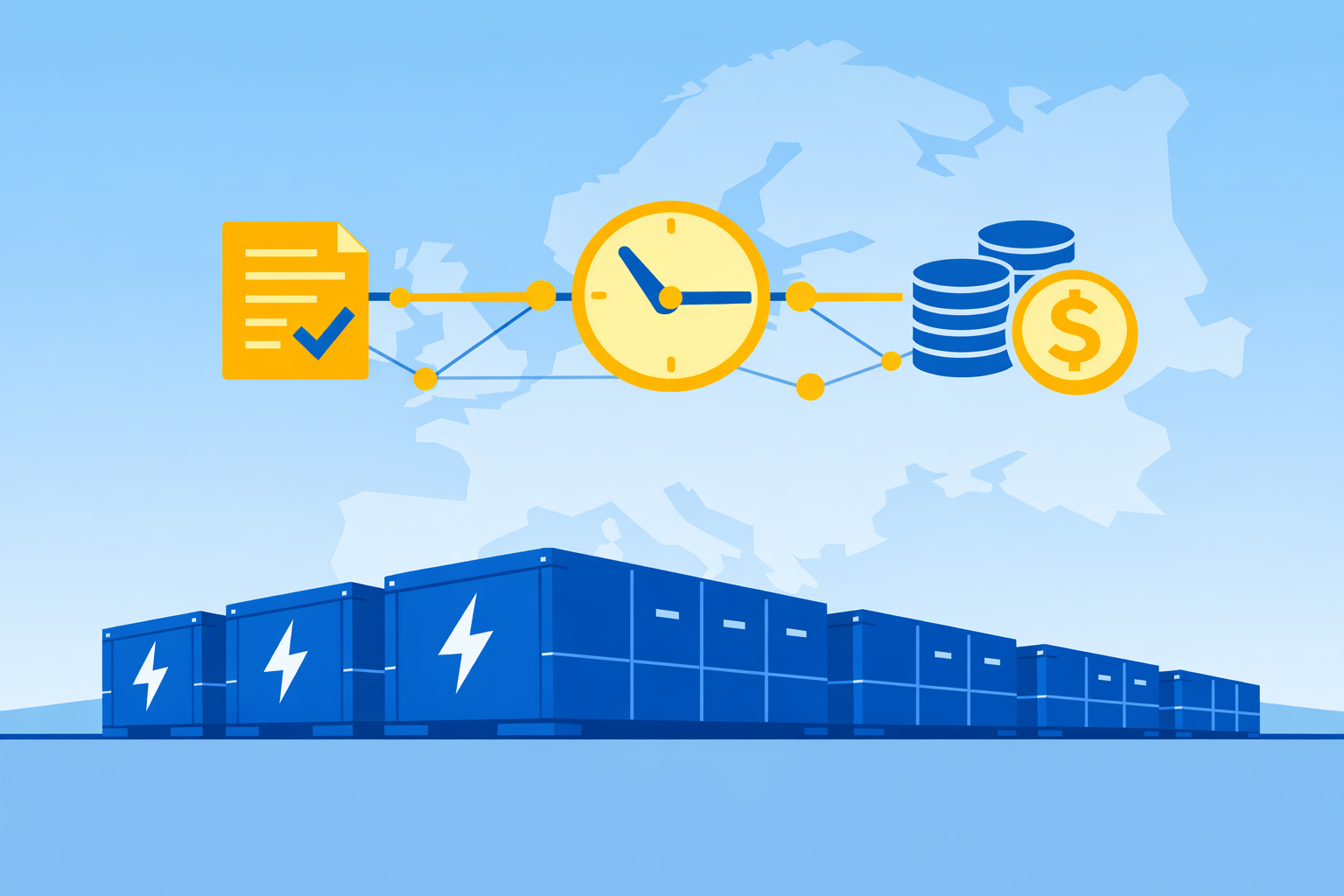
AI data centers are becoming major, variable electricity consumers, intensifying strain on aging and congested power grids. The International Energy Agency (IEA) estimates that grid connection delays could affect up to 20% of data center capacity in European markets between 2025 and 2030. In cities like Amsterdam, Frankfurt, and Dublin-where grid capacities are already stretched-developers may face multi-year waits for grid access. At the same time, wholesale electricity markets and resource adequacy frameworks in North America and Europe typically undervalue the flexibility and multi-hour discharge capabilities offered by LDES.
Details
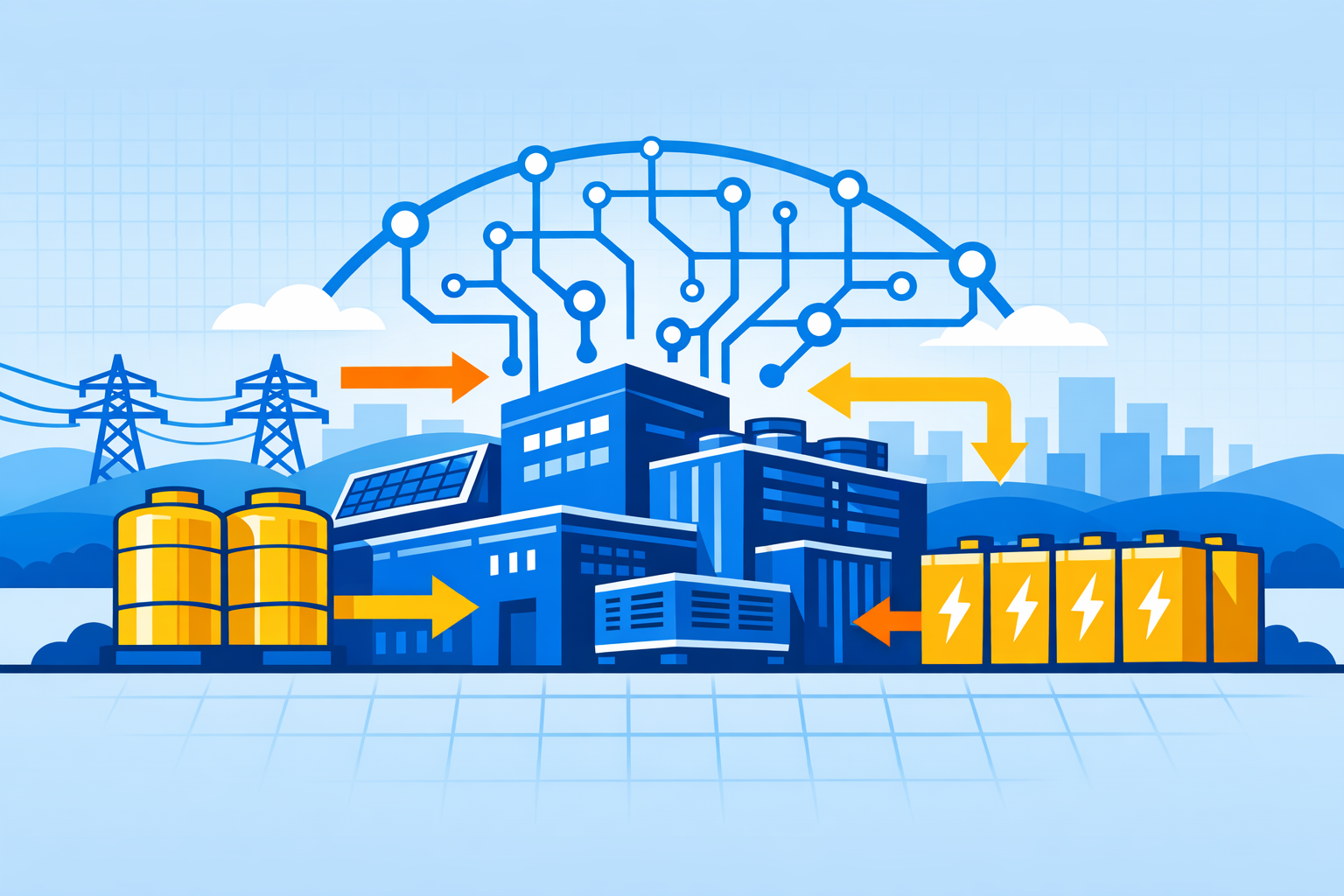
Multiple LDES technologies are advancing to serve AI-related grid needs. Industry analysts highlight vanadium redox flow batteries as among the most scalable options, although financing and regulatory approval remain challenges. Developers expect transition from pilot to wide-scale deployment within three to five years. Innovations like Energy Dome's carbon-dioxide-based "Carnot battery" are being piloted; its project in Sardinia delivers renewable-backed storage for Google data centers. Geomechanical storage systems (e.g., Quidnet) and sodium-ion batteries are also under evaluation for their potential to provide steady, dispatchable power suitable for AI data centers.
On-site generation and hybrid storage are also advancing. Bloom Energy has secured multi-billion-dollar contracts with AEP and Brookfield Asset Management to deploy solid oxide fuel cells as primary on-site generation, reducing dependence on grid connections. Second-life battery packs are being repurposed for large-scale energy storage: a microgrid in the U.S. from Redwood Materials and Crusoe now supplies 12 MW and 63 MWh for modular AI data facilities, marking the nation's largest such installation.
Outlook
As AI-driven electricity demand rises, LDES and grid-interactive solutions are expected to move beyond pilots and into standard infrastructure. Regulatory and market changes may better incentivize long-duration flexibility and capacity. Collaboration among data center operators, utilities, and policymakers will be critical to coordinating interconnection, storage, and load management in support of grid reliability amid rapid AI electrification.