The Trego 200 MW grid-scale battery energy storage system (BESS) near Reno received final approval this week, illustrating ongoing permitting, interconnection, and siting delays impacting utility-scale storage deployment. Developers attributed setbacks to extensive environmental review requirements, protracted grid study processes, and inconsistent coordination among local and state agencies. The case emphasizes how elongated approval timelines affect system reliability and grid modernization plans.
Background
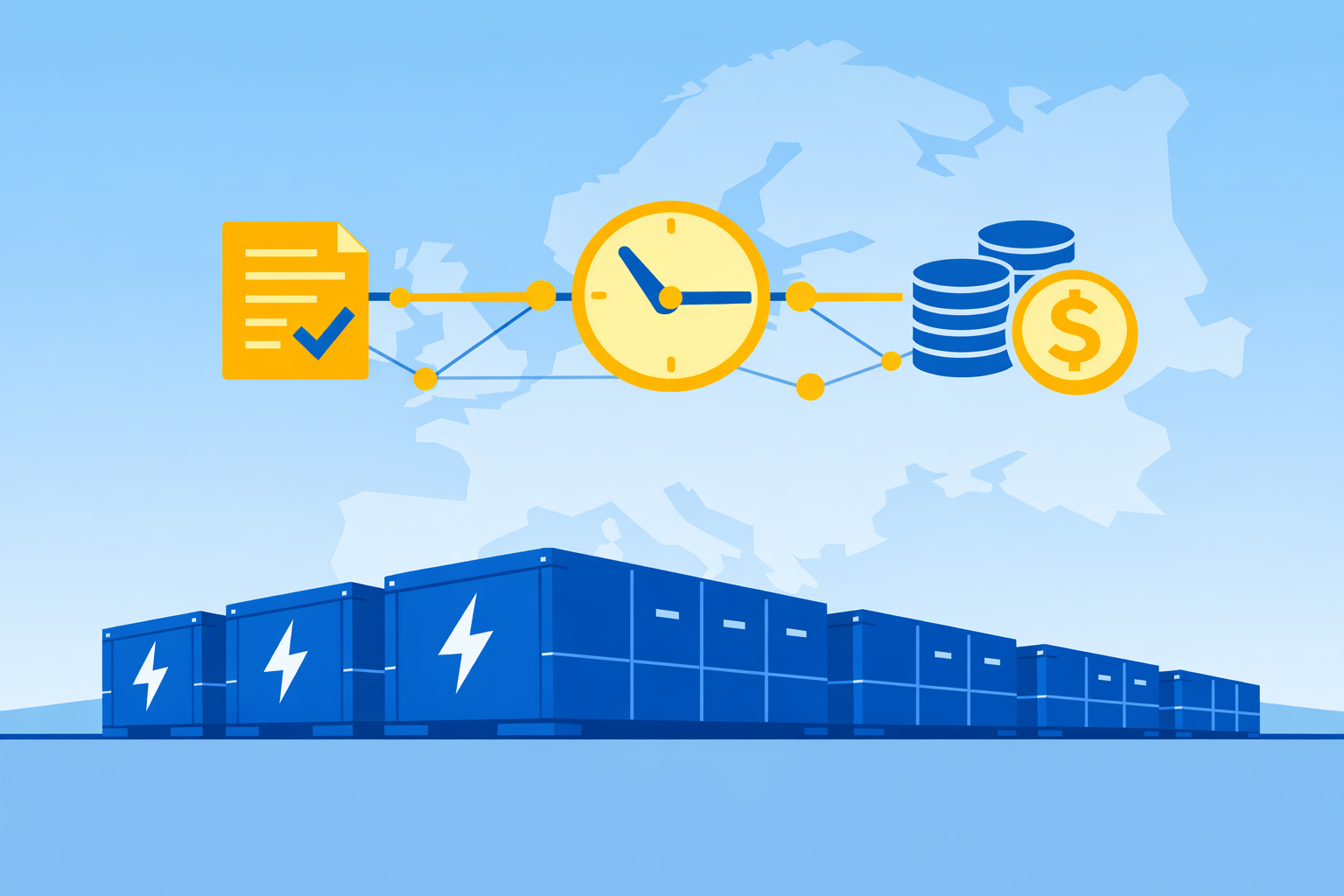
Utility-scale BESS projects in the United States often navigate fragmented regulatory processes at federal, state, and local levels. Industry data indicate interconnection studies typically take 6-18 months, while permitting can last 12-36 months and cost between $50,000 and $200,000 per project. Compliance with NFPA 855 and UL 9540A fire-safety standards adds further complexity and expense. Certain regions, including California and New York, have adopted streamlined methods-such as pre-approved equipment lists and dedicated permitting offices-to mitigate delays. In the European Union, member states are obligated to provide "one-stop-shop" permitting under EU directives, yet approvals can still require up to two years.
Details
With approval secured, Trego BESS ranks among the largest regional storage assets to clear interconnection and siting hurdles. Nationally, approximately 2.6 TW of capacity are queued for grid interconnection, with solar and BESS projects representing about 95% of this backlog. Only a small proportion reach completion; one industry report states roughly 80% of projects in interconnection queues withdraw before connecting. Even in faster-moving markets such as ERCOT, median queue times for large batteries have increased from 3.5 to 4.1 years. About 85% of projects with signed interconnection agreements are expected to be built. In New York's NYISO, just five BESS projects totaling 100 MW have exited the queue, with only 9% of submissions advancing to service. By 2025, the backlog is projected to exceed 350 active projects, the bulk of which are batteries.
Outlook
With Trego's approval, developers are moving toward construction, pending completion of delayed interconnection studies and required grid upgrades. Policy reforms are underway: FERC Order 2023 targets interconnection improvements, and the Department of Energy's Citizen-Interagency Transmission Approvals Program (CITAP) introduces a federal lead agency and expedites NEPA reviews. The efficacy of these measures will depend on cross-jurisdictional implementation and adoption of coordinated permitting systems and batch-study interconnection frameworks.