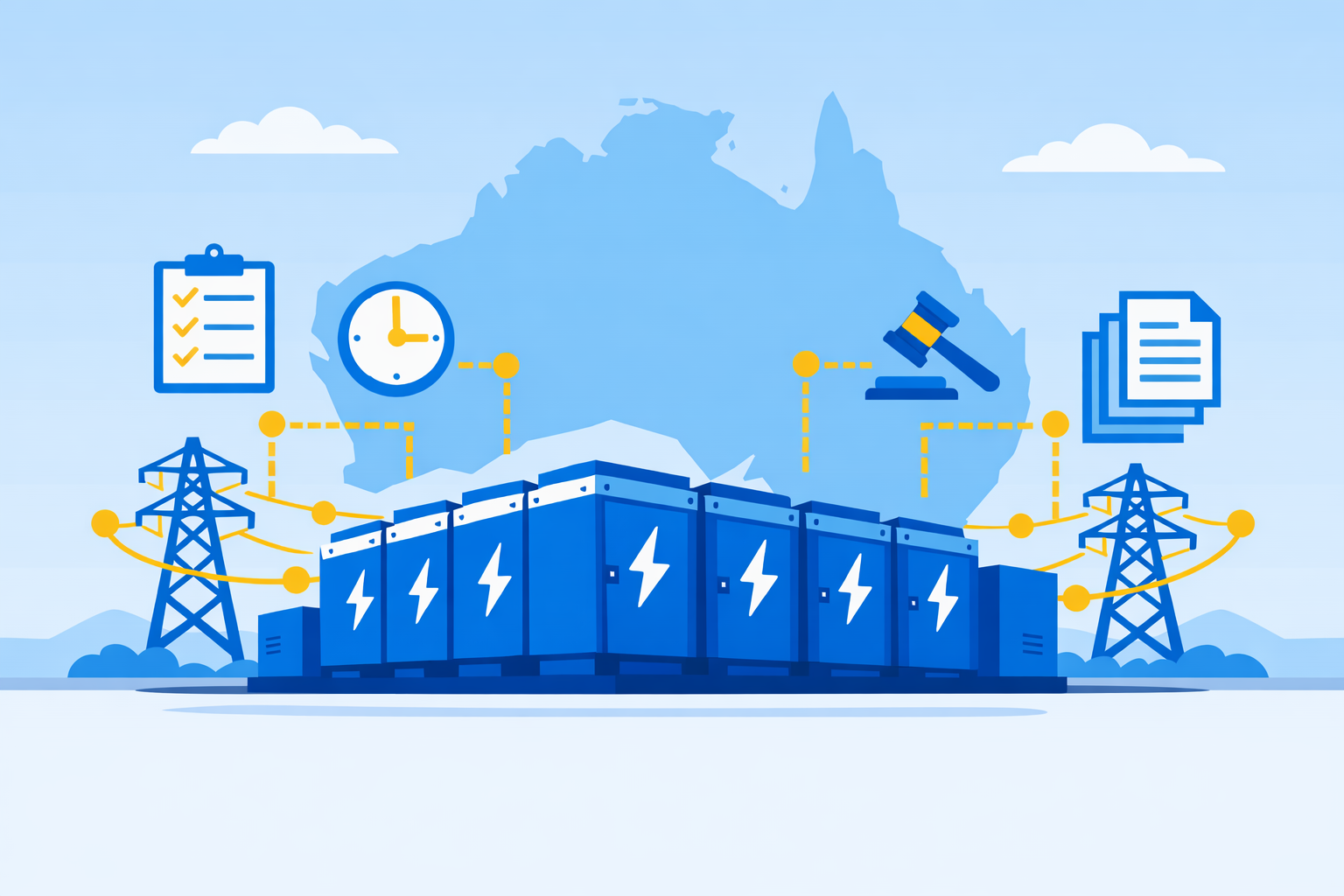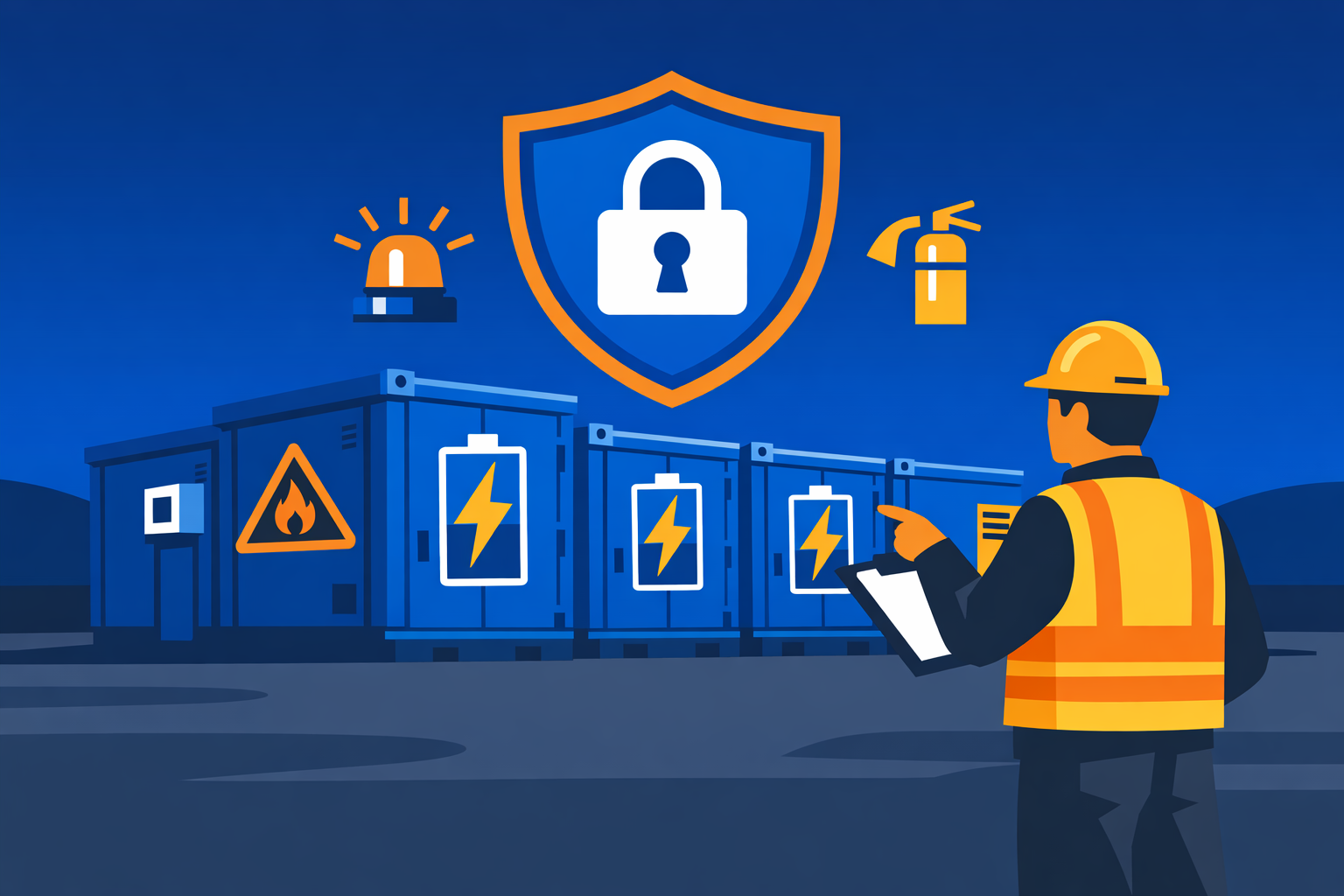
Federal regulators have advanced a unified national safety framework for utility-scale battery energy storage systems (BESS) in response to recent fire incidents. The U.S. Department of Energy (DOE) and the Environmental Protection Agency (EPA) are coordinating efforts to implement new certification, testing, and insurance requirements, aiming to standardize safety protocols across states and developers.
Background
A significant fire at Vistra Energy's Moss Landing facility in California in January 2025 led to the evacuation of about 1,200 residents and the closure of major roadways, prompting increased regulatory oversight. The EPA's January 16, 2025 fact sheet called for enhanced installation practices, improved fire suppression planning, and coordinated incident response. Federal safety concerns reflect wider industry apprehension about thermal runaway events in lithium-ion BESS and associated operational risks. According to DOE data, as of April 2023, 14 fires had occurred at grid-connected BESS sites, a 2.9% incident rate among 491 projects, with injuries documented in just one incident in 2019. Most affected facilities later resumed operations, highlighting industry resilience.
Details
The EPA has issued updated best practices addressing facility siting, fire suppression, and post-incident remediation, incorporating insights from Moss Landing and other extended fire events. The guidance advises close coordination with emergency services and the integration of environmental monitoring into project design. In April 2024, the DOE required that proposed BESS projects seeking categorical exclusion from environmental review comply with NFPA 855. This standard mandates hazard mitigation analysis and alignment with current best safety practices. Safety standards such as UL 9540 and UL 9540A, combined with NFPA 855, serve as the foundation for the evolving regulatory framework and are increasingly referenced by insurers for underwriting.
Industry organizations, including the American Clean Power Association, have updated their codes and standards to incorporate revisions in the 2026 edition of NFPA 855. Major insurers-such as AEGIS, FM Global, and AIG-now require minimum spacing between modules in outdoor containerized systems, typically at least 7.6 meters, unless full-scale testing verifies alternative configurations as safe.
Outlook
Developers and manufacturers must integrate standardized safety certifications, prescribed spacing, and updated insurance protocols into project plans. These measures are designed to streamline permitting and bolster insurer confidence, potentially reducing project delays. Ongoing regulatory updates, especially with the 2026 edition of NFPA 855, will continue to shape future BESS deployment frameworks.