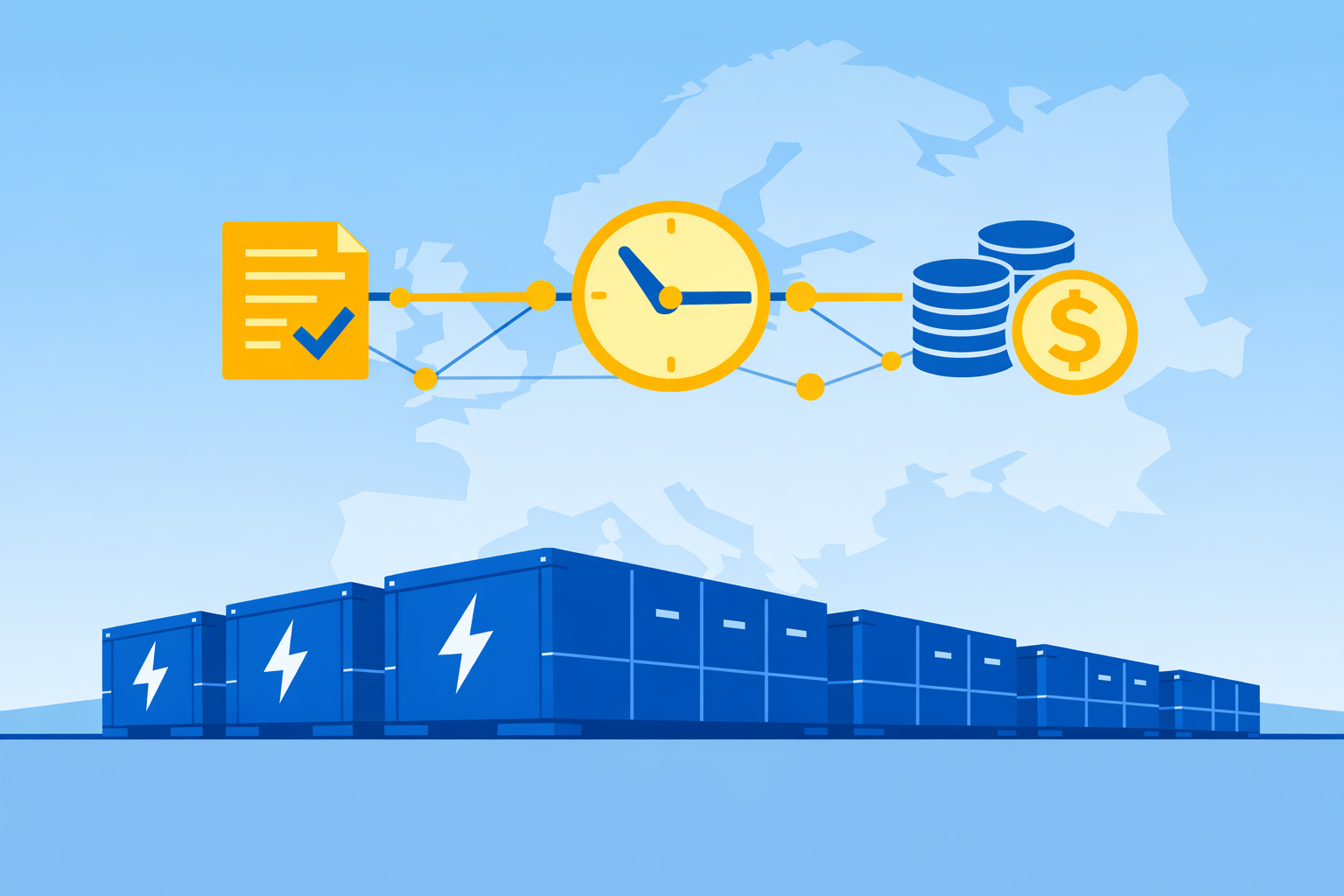
A recent survey by clean-energy finance platform Crux found that federal permitting delays are significantly impeding clean-energy projects in the United States. The survey, conducted in February and involving 50 developers and permitting professionals, reported that every respondent has experienced projects "materially" delayed by federal permitting within the last 12 months, affecting approximately 11 GW of capacity. Every respondent to the survey reported having projects "materially" affected by federal permitting in the past 12 months, representing roughly 11 GW of capacity
According to the report, average delays exceeded six months. Cited examples include a solar project stalled up to 10 months by a late-stage biological survey and a storage project delayed six months due to Endangered Species Act consultation. The report cited a solar project stalled as much as 10 months and a storage project held up six months by permitting reviews More than 80 percent of surveyed developers reported intentionally siting projects to avoid triggering federal reviews, influencing site selection more by regulatory considerations than energy needs. More than 80 percent of respondents said they site projects to avoid federal permitting requirements
Background
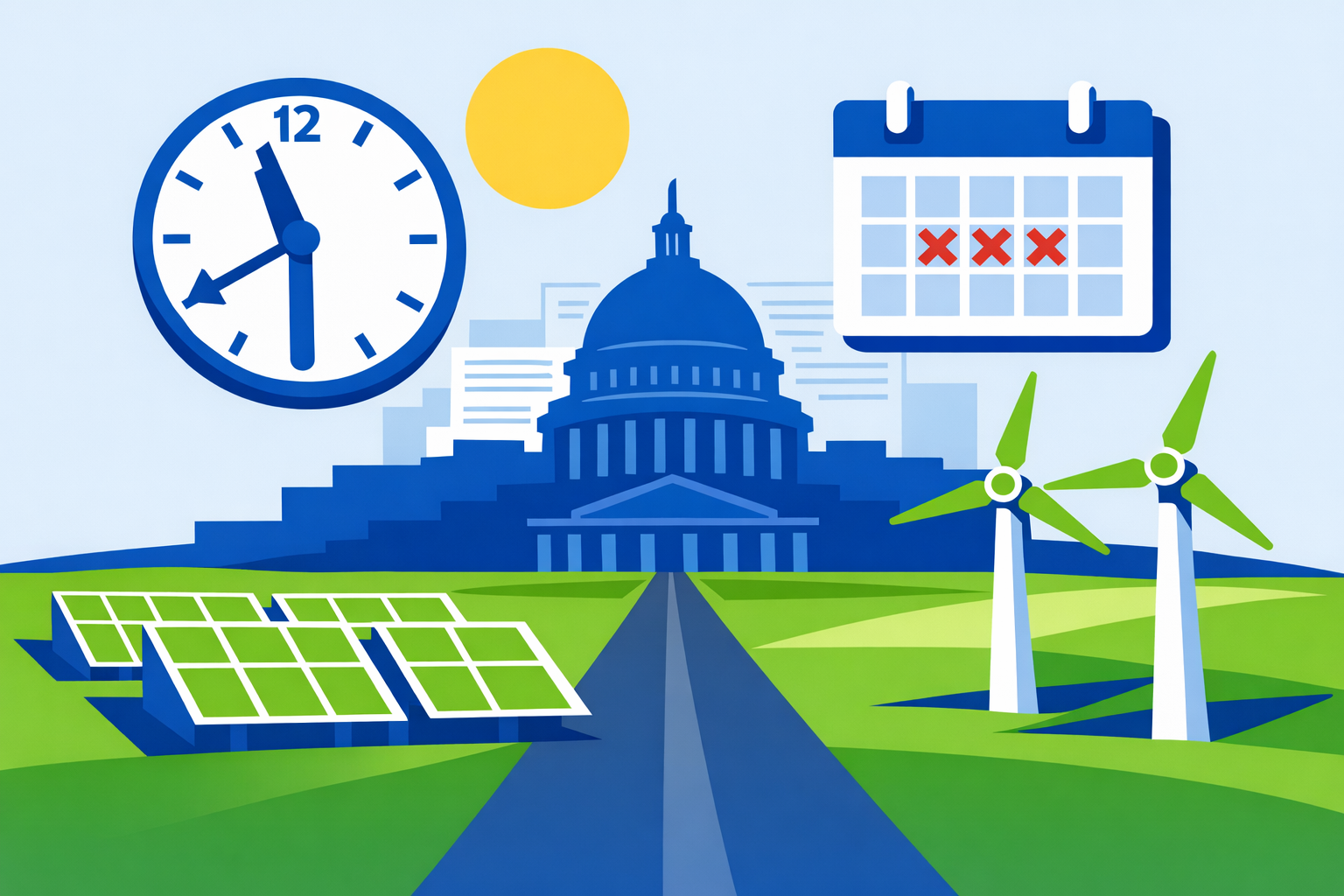
Federal reviews mandated by laws such as the National Environmental Policy Act (NEPA) are increasingly cited as barriers to clean-energy infrastructure. In a separate survey of over 200 solar and transmission industry professionals, more than 70 percent said federal permitting caused longer delays than state or local processes. More than 70 percent of clean-energy industry professionals said federal permitting caused longer delays than state or local permitting Recently introduced reform measures include the Energy Permitting Reform Act of 2024 (EPRA) and the SPEED Act. The EPRA, introduced in July 2024, advanced out of committee with a 15-4 vote. The Energy Permitting Reform Act of 2024 was cleared from committee with a 15-4 margin The SPEED Act, passed by the House in December 2025, targets expedited NEPA reviews and seeks to restrict judicial challenges. The SPEED Act passed the House in December 2025 and targets faster NEPA reviews and restricted judicial review
Details
Crux's survey highlights how permitting delays shape project siting decisions. Hasan Nazar, head of policy at Crux, stated that developers are restructuring business models to avoid federal reviews, resulting in less deployed energy and increased costs. Crux's head of policy said permitting delays reduce deployed energy and raise costs The findings underscore a market distortion: projects located in areas with significant federal land or federal jurisdiction may be bypassed due to regulatory complexity. Avoidance behavior can disadvantage regions with significant federal lands, leading to lost development opportunities
Americans for Prosperity previously reported that, among 30 major energy infrastructure projects-including transmission lines and solar farms-permitting and litigation delays ranged from one to 16 years, resulting in an estimated loss of 50,000 jobs and USD 75 billion in economic activity. Permitting delays of one to 16 years across 30 projects cost an estimated 50,000 jobs and USD 75 billion in economic benefits Only five of these projects reached completion. Only five of the 30 projects were completed
Outlook
Legislative reforms, if enacted, may reduce permitting delays by streamlining NEPA reviews and limiting litigation. Industry stakeholders continue to monitor Senate action on the EPRA and proposed changes to judicial review timelines.