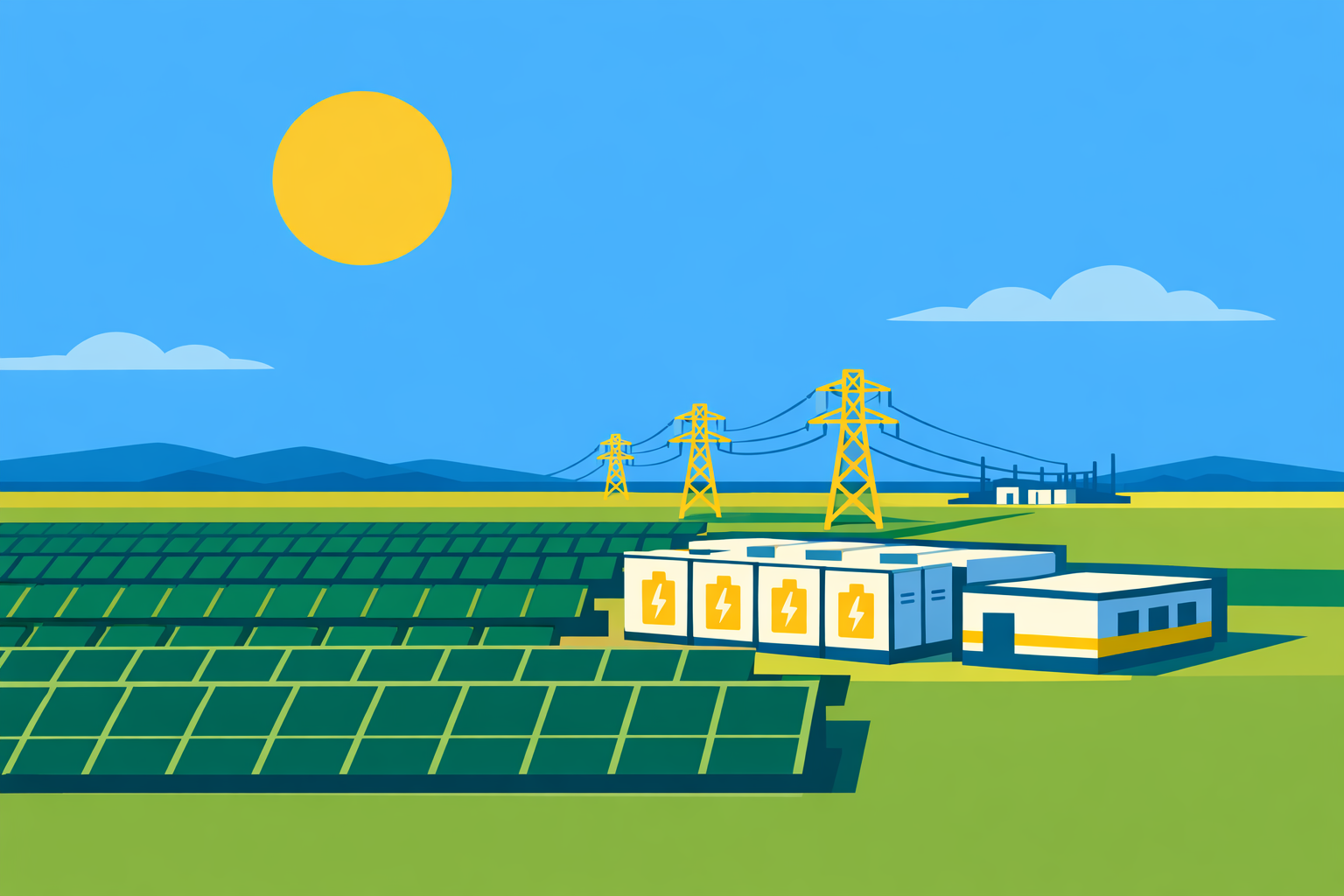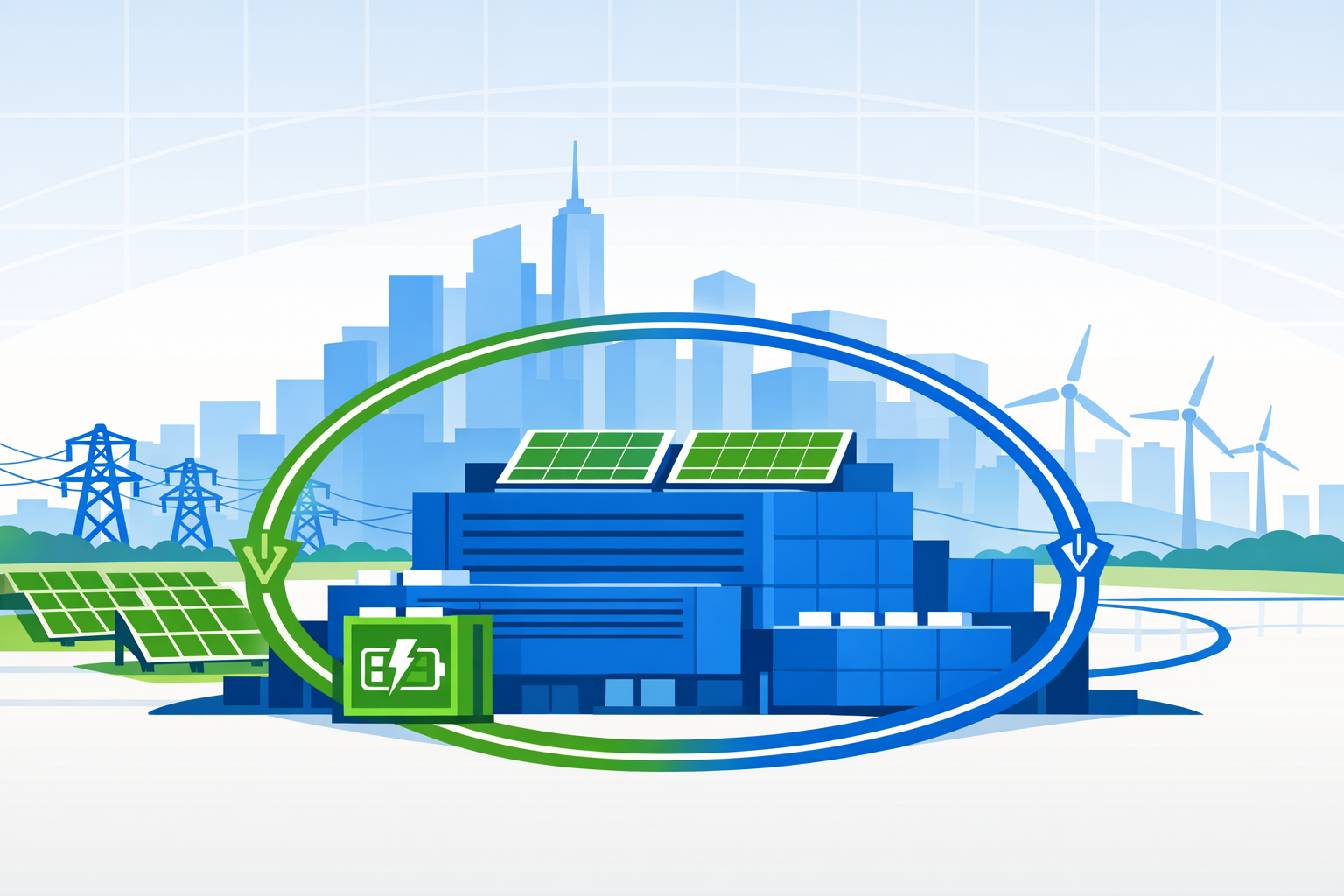
Surging electricity demand from hyperscale data centers is forcing utilities, developers, and operators to overhaul how clean power is procured, contracted, and delivered. The industry is shifting away from conventional power purchase agreement (PPA) structures toward integrated models combining on-site generation, battery storage, and grid-interactive demand response to achieve round-the-clock reliability.
Background
According to McKinsey analysis, U.S. data center power demand is expected to rise by 400 TWh by 2030, growing at 23% annually, and could represent 30-40% of new net demand - a trajectory requiring an estimated $500 billion in infrastructure investment. The International Energy Agency projects that global data center electricity demand could double by 2030, driven primarily by AI workloads.
Internet giants already account for 43% of clean power purchase agreements signed globally in 2024, according to BloombergNEF. In 2025, tech companies made up roughly 75% of U.S. renewable PPA purchases, with developers increasingly prioritizing counterparties able to sign large, repeatable contracts quickly. That concentration has begun reshaping both project geography and contract design.
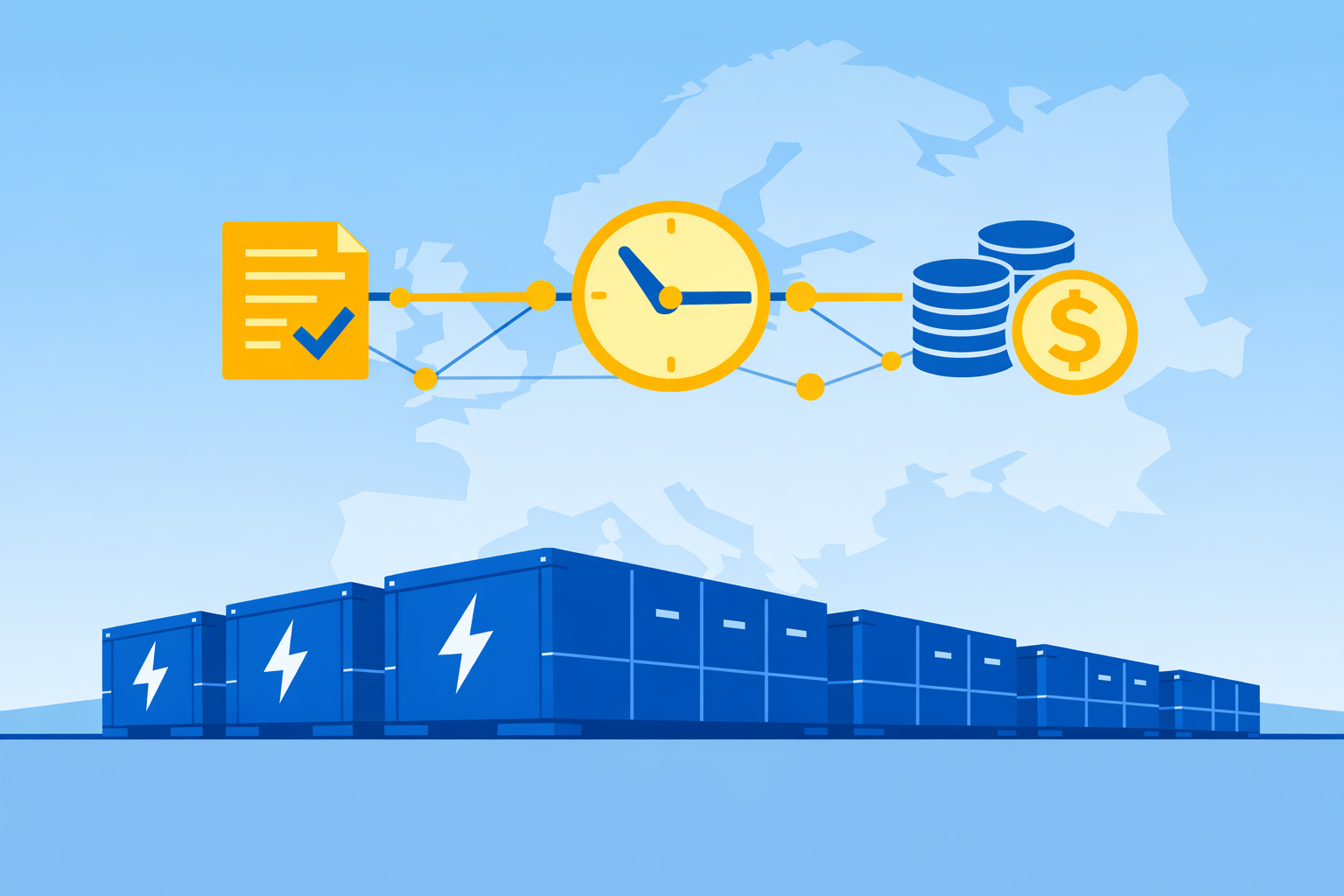
In Europe, a third of the PPA market now serves data centers, with 2025 deals concentrated in Italy (568 MW), Finland (472 MW), and Spain (314 MW). Analysts project data centers could exceed 5% of total European electricity demand by 2035, driving long-term renewable contracting and accelerating adoption of grid-connected storage.
Details
The intermittency limitations of conventional wind and solar PPAs have prompted operators to pursue a broader toolkit. Procurement mechanisms now include 24/7 clean utility tariffs for hourly carbon-free matching, Clean Transition Tariffs that provide dedicated clean resources without shifting costs to other customers, behind-the-meter PPAs, and build-transfer arrangements - alongside traditional virtual PPAs and renewable energy certificate transactions.
Energy storage agreements (ESAs) have emerged as a new product category, allowing buyers to contract off-site battery storage as a dispatchable complement to intermittent renewable assets. Battery energy storage systems (BESS) are shifting from backup accessories to core infrastructure, with analysts describing them as mission-critical for AI data centers.
On-site and co-located generation is accelerating in parallel. To bypass multi-year grid connection queues, developers are building on-site power - procuring natural gas turbines and fuel cells and co-locating them with renewable assets independently of the local utility. Hyperscalers are prioritizing "speed to power" over immediate decarbonization, treating current natural gas reliance as a deliberate, temporary step while designing transitional platforms for future clean-energy integration.
In a recent large-scale deal, TotalEnergies and Google signed a 15-year PPA to supply 1.5 TWh of certified renewable electricity from a solar farm in Ohio. Since January 2025, TotalEnergies has repositioned from a green power supplier to a comprehensive energy partner, focusing on "Clean Firm Power" contracts and expanding into battery storage and thermal management solutions.
With large data centers now requiring upward of 100 MW, PPAs in the sector frequently exceed 100-200 MW of procured capacity. The central concern with conventional PPAs is that wind and solar assets are inherently intermittent, prompting operators to explore alternatives such as geothermal and hydropower, which offer more consistent output.
Regional capacity markets are registering the strain. PJM's capacity auction for the 2026/2027 delivery year cleared at $329.17 per MW-day, one of the highest outcomes in the market's history, with approximately $21.3 billion in cleared capacity costs - around 45% of the total - attributable to incremental data center load forecasts. Analysts project overall electricity prices could rise a further 2-3% nationwide, with increases as high as 14% in regions like PJM facing acute demand-supply imbalances.
Outlook
Across jurisdictions, large data center loads are no longer treated as neutral grid additions but are increasingly recognized as system-shaping forces that must carry explicit cost and reliability obligations. Experts stress that meeting this challenge will require shared responsibility: utilities must invest in transmission and interconnection capacity, while operators deploy demand response, on-site generation and storage, and dynamic workload management. Analysts note that buyers have not yet reached a price ceiling and expect the rapid pace of AI data center build-out to sustain strong appetite for clean energy procurement.