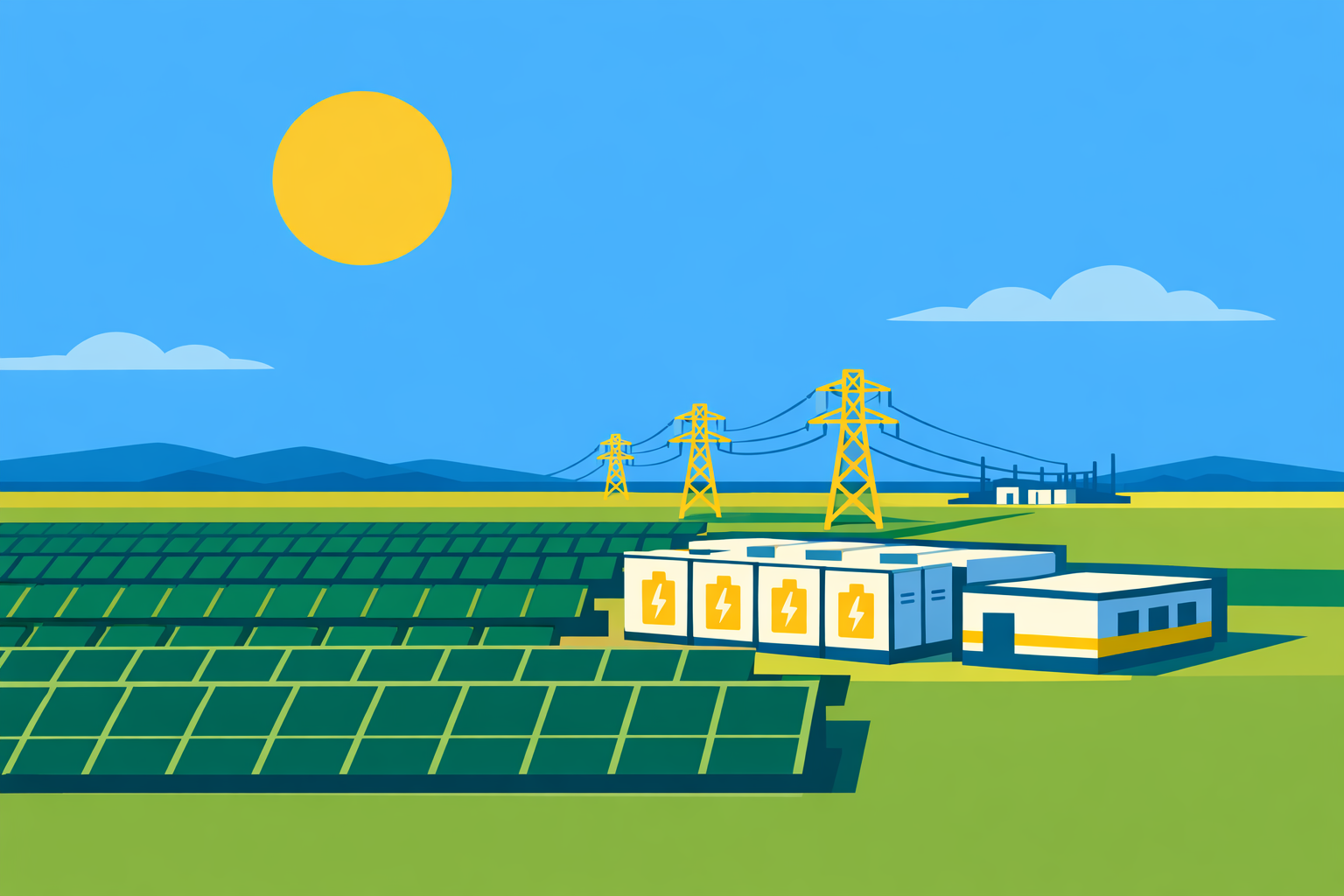
A mid-tier Chinese battery manufacturer initiated pilot deployment of sodium-ion cells for utility-scale energy storage in late 2025, advancing efforts to diversify grid-scale battery technologies. The project, located in Guangxi and developed in partnership with China Southern Power Grid, aims to mitigate raw material risks associated with lithium. Simultaneously, China issued its first technical standards for sodium-ion storage equipment in February 2026, marking a milestone in industry standardization.
Background
Sodium-ion batteries utilize abundant, lower-cost materials compared to lithium-ion systems, enhancing supply chain resilience as demand for critical minerals increases. While sodium-ion cells have historically offered lower energy density, their cost and safety profiles have drawn attention for stationary storage where compactness is less critical. HiNa Battery commenced gigawatt-hour-scale production lines in late 2022 and deployed a 10 MWh sodium-ion storage station in Guangxi in May 2024, followed by a 100 MWh facility in Hubei in June 2024, now supplying energy to approximately 12,000 households[1].
Details
The Guangxi pilot project features utility-scale stacks of sodium-ion cells engineered by a notable mid-tier Chinese manufacturer and deployed in collaboration with China Southern Power Grid for grid balancing and renewable energy integration[1]. In February 2026, China's Industrial Association of Power Sources released "Technical Requirements for Energy Storage Sodium-Ion Batteries," addressing test methods, labeling, packaging, transportation, and storage for cells, modules, and clusters[2]. The standard is designed to harmonize practices among equipment manufacturers, buyers, and system integrators.
Sodium-ion cells are viewed as safer and more thermally stable than lithium-ion, with reduced risk of thermal runaway, which is advantageous for high-utilization and urban storage applications[3]. Research indicates these batteries may maintain capacity more effectively at low temperatures, although large-scale deployments remain limited. Cost assessments suggest Chinese sodium-ion technology could be approximately 30 percent less expensive than lithium-iron-phosphate (LFP), though energy density continues to pose a challenge[4].
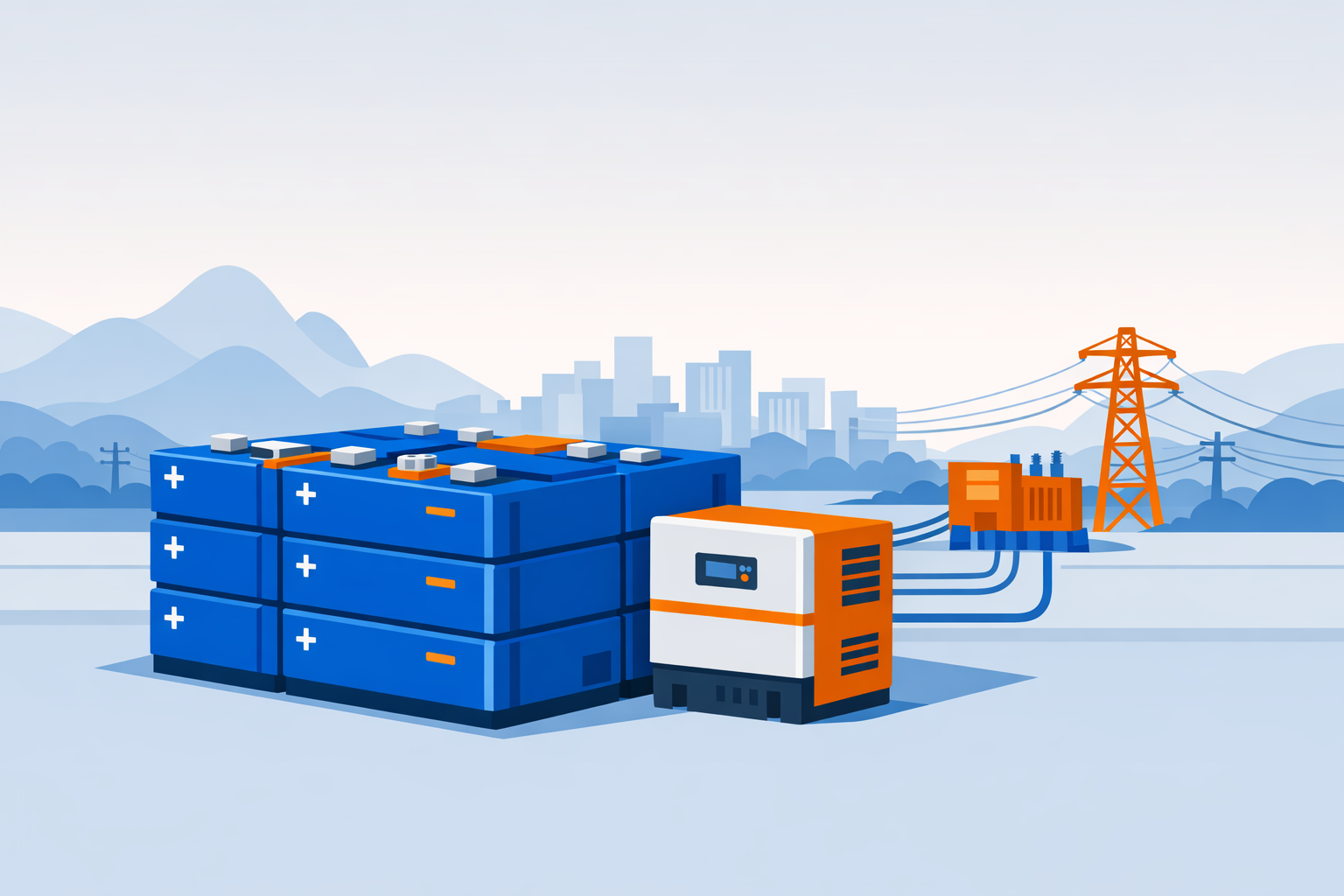
Interoperability is improving: in August 2025, Heiwit certified a grid-connected inverter compatible with sodium-ion cells, compliant with CEI 0-21 and CEI 0-16 standards relevant for European grid integration[5].
Outlook
With pilot projects operational and national standards established, sodium-ion battery chemistry is progressing toward broader utility-scale adoption. Expansion beyond pilot deployments will require further cost optimization, advanced module integration, and regulatory approvals in markets outside China. Ongoing research into temperature resilience and long-term cycling performance may enable use in varied climates and longer-duration storage applications.