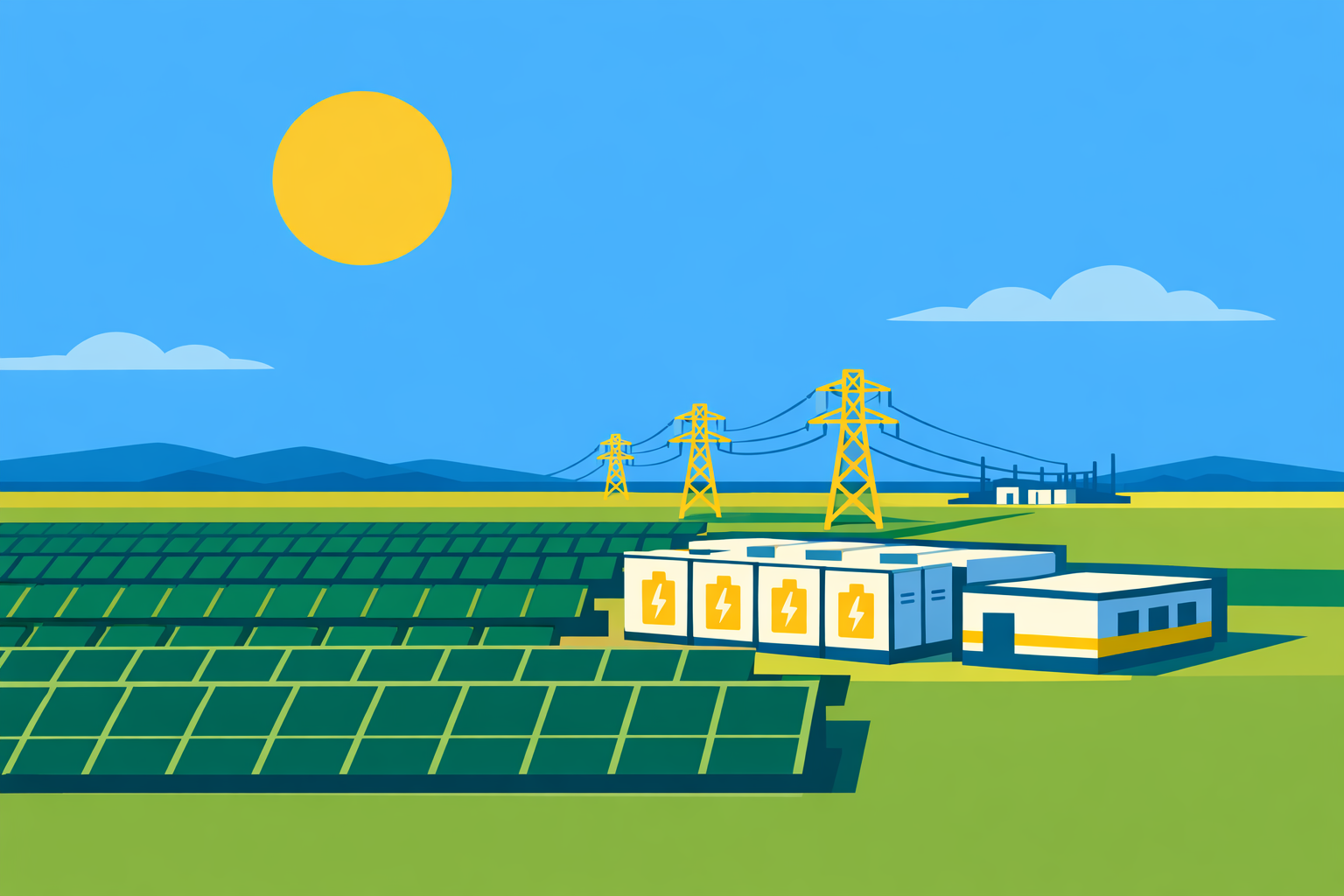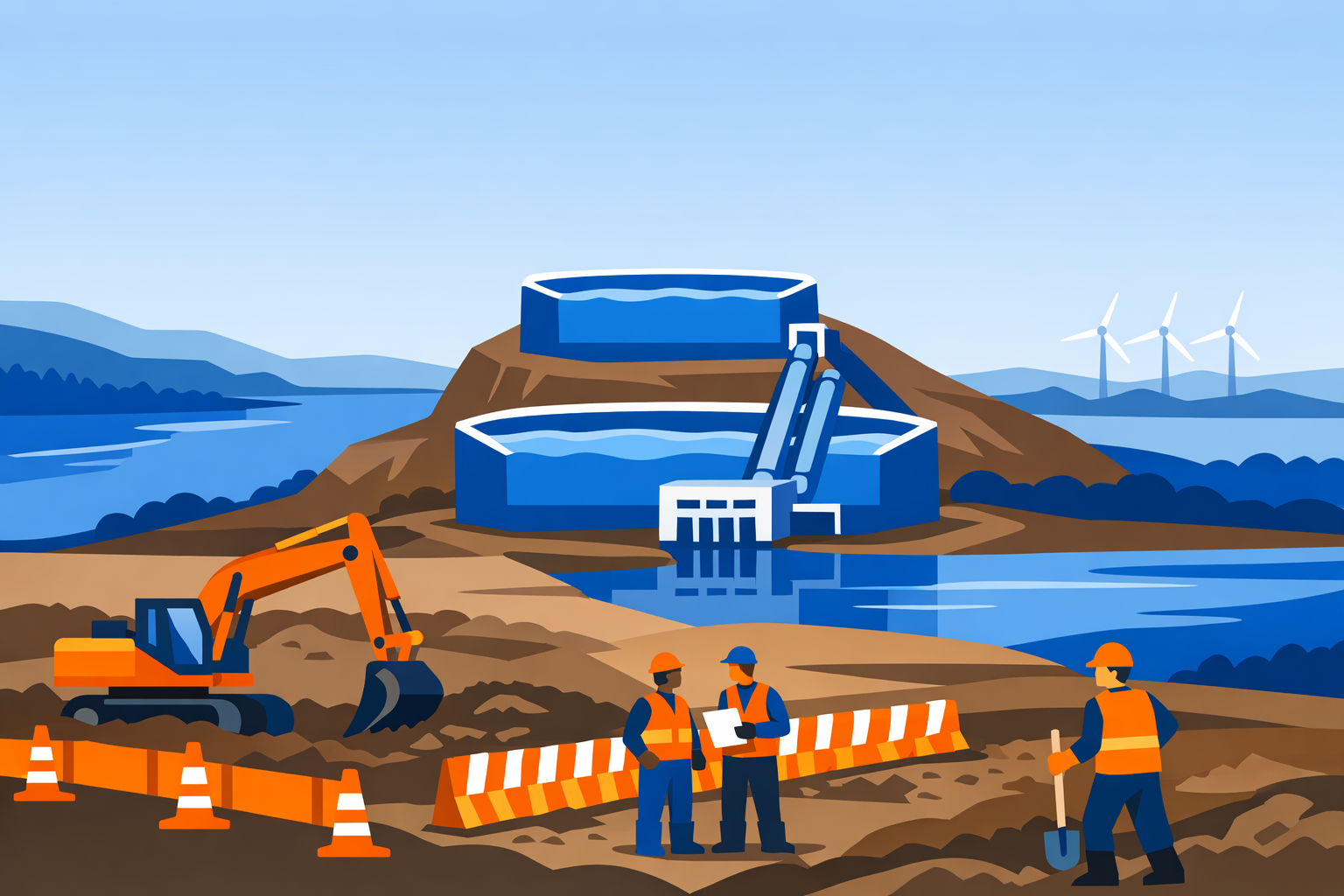
The Washington State Department of Ecology has opened a public comment period on a remediation plan for the former Columbia Gorge Aluminum smelter near Goldendale, Washington - a cleanup now fast-tracked by energy developers seeking to build one of the largest grid-scale storage facilities in the Pacific Northwest on the brownfield site.
Background
The Goldendale Aluminum Smelter has sat abandoned on the Columbia River's banks since 2003. The primary aluminum reduction facility operated from 1969 to 2003 and was added to the Washington Department of Ecology's Hazardous Sites List in 1990. As with many of Washington's Columbia River aluminum smelters, rising electric power rates and shifting economics in the early 2000s forced its closure. Three decades of heavy industrial activity left behind soil and groundwater contamination.
On January 22, 2026, FERC issued a 40-year construction and operations license to the Goldendale Energy Storage Project - the first license of its scale issued by the commission in 12 years. Rye Development and Copenhagen Infrastructure Partners (CIP), on behalf of its Flagship Fund CI V, announced the award. The decision followed a five-year application process.
Details
Once operational, the project - located on private land at the former aluminum smelter site near Goldendale - will store electricity for up to 12 hours and generate 1,200 megawatts of on-demand power, enough to supply about 500,000 homes. The $2 billion closed-system pumped storage project will move water between two 60-acre reservoirs at different elevations. The upper reservoir would sit within the existing Tuolumne Wind Farm, while the lower reservoir would occupy land formerly held by the Columbia Gorge Aluminum smelter. The facility would leverage the site's existing road and 136.6-megawatt Tuolumne Wind Farm transmission infrastructure, reducing construction costs and land-use impacts.
The cleanup is the critical near-term milestone. The smelter remediation will proceed in three parts: the first covers the area where the Goldendale Energy Storage Project will build its lower pool; a second covers land expected to be used by STACK Infrastructure, which plans to build a data center on the former smelter site. "This cleanup needs to happen regardless of what development happens on the site because there are contaminants left over," said Emily Tasaka, a spokesperson for the Department of Ecology. Ecology indicated that excavation and waste disposal could begin as early as January 2027, with waste transported to an out-of-state landfill - no facilities in Washington can accept this type of contaminated material, and a specific receiving landfill has not yet been named.
The project includes remediation of the former smelter site, an estimated $15 million cleanup taken on by Rye Development and overseen by the Washington Department of Ecology. The cleanup will be "more expansive" because of the additional resources Rye Development is providing. Project developers would be responsible for excavating and disposing of hazardous waste from the former on-site landfill - a requirement not typically imposed on private redevelopers, according to Ecology.
Rye projects the facility will generate 3.5 million megawatt-hours a year. The project is expected to create more than 3,000 jobs during its four- to five-year construction period, along with dozens of permanent positions, and generate more than $10 million annually for Klickitat County, supporting schools, public health, roads, and emergency services. Construction workers would earn hourly wages ranging from $44.65 to $85.00, well above the $25.31 median hourly wage for non-federal jobs in Klickitat County recorded in 2022.
The project faces opposition. The Yakama Nation ceded the land in the 1800s but retained hunting, fishing, and gathering rights. FERC acknowledged in environmental reports that the project will destroy five archaeological sites, and the Yakama Nation stated that tribal values were sacrificed to corporate interests. Columbia Riverkeeper said it may challenge FERC's decision in court.
Outlook
Before construction can proceed, developers must submit construction plans, safety and dam-engineering documents, and cultural and historic resource protections, as well as finalize financing arrangements, power purchase agreements, and grid interconnection approvals. The Washington Department of Ecology is accepting written public comments on the cleanup plan through June 16, with an online public hearing scheduled for June 3. Comment periods for the two remaining sections of the smelter site are expected later in 2026 and in 2027. Electricity demand in the Northwest is expected to grow more than 30% in the next decade, a dynamic that project backers argue makes long-duration storage on repurposed industrial sites an increasingly scalable model for the region.