The Yakama Nation and allied tribal governments are escalating legal and political opposition to the Goldendale Energy Pumped Storage Project in south-central Washington after federal regulators issued a final license for the 1,200-megawatt facility in January 2026 and new documents surfaced linking the project's output to a proposed hyperscale data center campus.
Background
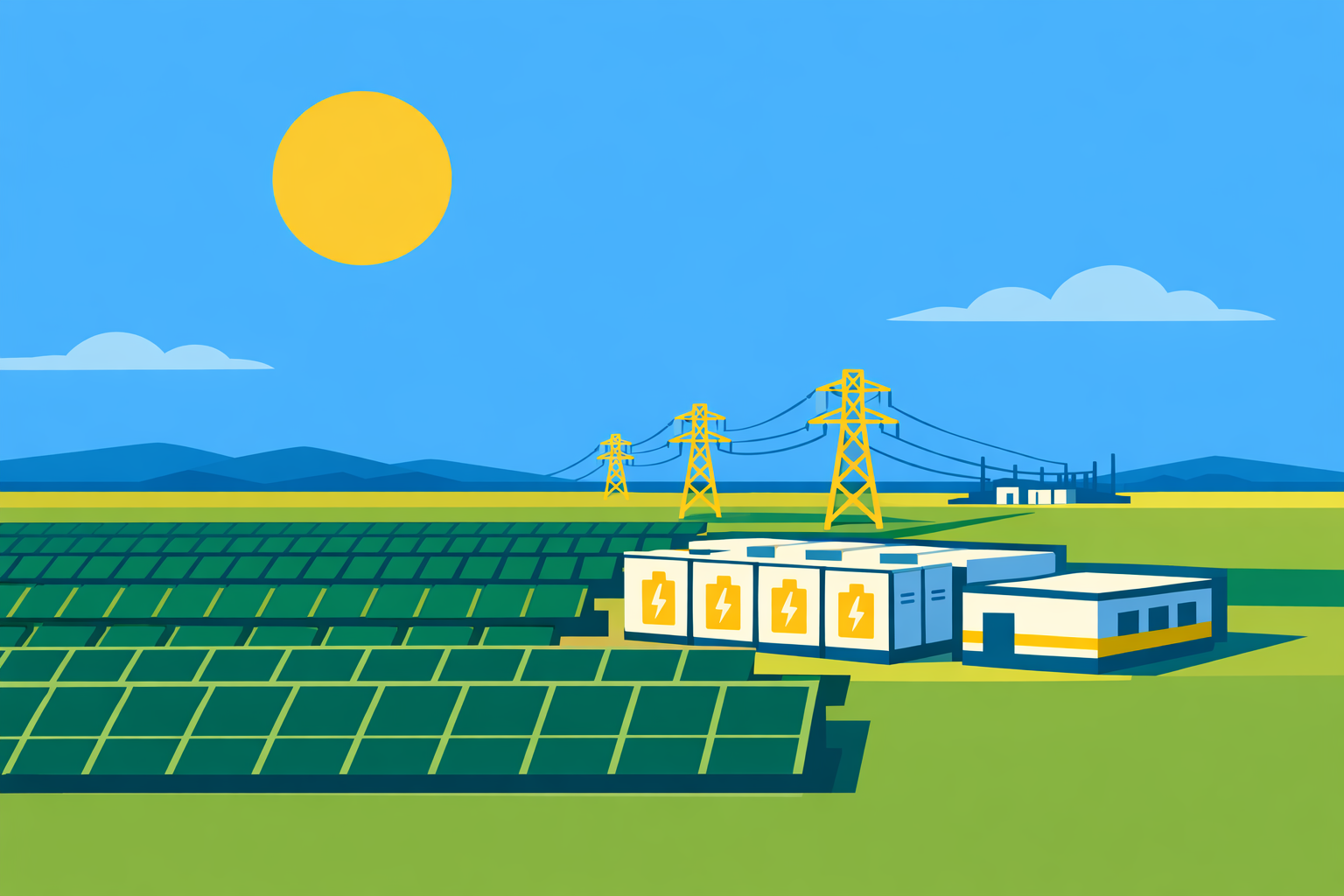
The Federal Energy Regulatory Commission (FERC) issued a 40-year license on January 22 to build the Goldendale Energy Pumped Storage Project, a 1,200-megawatt energy storage facility southeast of Goldendale in Klickitat County, Washington. Developed by Rye Development, the project represents one of the largest new pumped-storage ventures in the United States in more than a decade. Denmark-based Copenhagen Infrastructure Partners would own the facility.
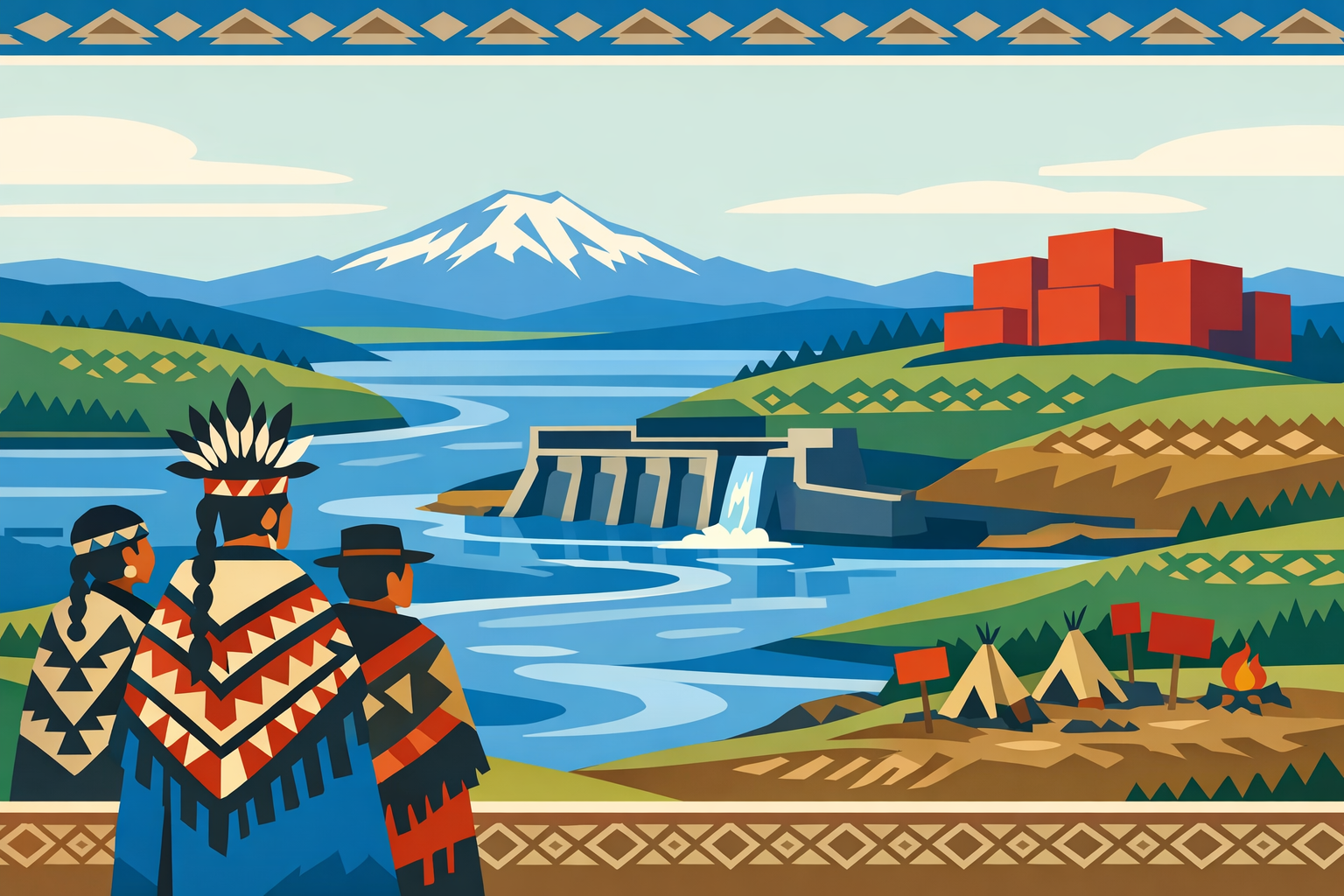
The 700-acre project is slated for the contaminated grounds of an abandoned aluminum smelter formerly owned by Lockheed Martin - a site that has long encroached on a sacred Yakama place called Pushpum. For the Yakama Nation, Pushpum is a living cultural landscape embedded in lifeways protected by the 1855 Yakama Treaty, long used for first foods harvesting, including roots and medicines, as well as hunting, seasonal camps, and spiritual practices.
The approval drew rebukes from the Yakama Nation and 17 tribal governments, along with the National Congress of American Indians and the Affiliated Tribes of Northwest Indians. All argue the licensing process ignored deep cultural, ecological, and sovereignty concerns tied to the site.
Details
New disclosures have complicated the project's stated public-interest rationale. Government documents and online statements by the landowner indicate the power generated may fuel a massive proposed data center on the site. Documents from Washington's Department of Ecology show STACK Infrastructure is in talks to build a "data center campus" there. At maximum capacity, the data center could require as much as 80% of the 1,200 megawatts of energy the Goldendale pumped storage project could generate.
An environmental planner at Washington's Department of Ecology said application materials show the project would require a new aerial transmission line across the Columbia River to connect to the Bonneville Power Administration's John Day substation - a detail that could also indicate plans to sell power directly to BPA. Copenhagen Infrastructure Partners did not directly respond to questions about the data center connection, according to Street Roots reporting.
Two environmental impact statements determined the project would cause detrimental resource impacts. In 2022, the Washington State Department of Ecology found in a tribal resource analysis that the project is "likely to result in significant adverse impacts" to natural and cultural resources, including "significant and unavoidable" damage to plant and wildlife populations.
FERC's government-to-government consultation with the Yakama Nation was also contested during the permitting process. In 2021, the agency attempted to send the developer as the federal government's representative to the tribal consultation table, but the Yakama Nation refused to accept the corporation in that role.
On May 8, an estimated 300 people gathered near Pushpum to protest the project. Yakama leaders and nonprofits including Columbia Riverkeeper called on Washington Governor Bob Ferguson to intervene after state and federal agencies issued key permits to the developers - a process 10 years in the making.
Yakama Nation Tribal Council Chairman Gerald Lewis called FERC's decision a failure to fully account for "damage costs," saying developers "know it's wrong." FERC's own staff acknowledged the project will unavoidably harm tribal resources, even while recommending licensing as a cost-effective source of on-demand renewable energy.
Outlook
Columbia Riverkeeper, Washington Conservation Action, and the Yakama Nation continue a legal appeal of the water quality permit issued by Washington state. In parallel, the Yakama Nation is developing its own 500-megawatt advanced rail energy storage project that uses gravity and rocks to generate power - an approach tribal officials say avoids disrupting sensitive cultural and ecological areas. A bill in the Washington Legislature could require energy projects to secure approval from affected federally recognized tribes, a measure that, if enacted, would carry significant implications for project siting and financing timelines across the Pacific Northwest.