A research team at the Chinese Academy of Sciences (CAS) Institute of Metal Research in Shenyang has published findings describing a highly stable all-iron flow battery electrolyte capable of sustaining thousands of charge-discharge cycles with near-zero capacity loss - a development that could lower the cost floor for long-duration energy storage (LDES) at grid scale. The results, published in Advanced Energy Materials, arrive as utilities, independent power producers, and grid planners intensify their search for storage chemistries suited to multi-hour and multi-day discharge durations that lithium-ion systems cannot address economically.
Background
Traditional lithium-ion batteries, while effective for short-duration applications of two to four hours, become prohibitively expensive for storage needs extending beyond eight hours. System-level costs for stationary grid applications remain $250-$400/kWh in 2026, a structural constraint rooted in the inability to decouple power capacity from energy capacity within a lithium-ion cell stack. Three technologies are positioned to address the gap: iron-air batteries targeting 24- to 100+ hour multi-day storage, vanadium redox flow batteries (VRFB) optimized for the four- to 24-hour daily cycling window, and compressed air energy storage at the 100 MW-plus scale.
The broader flow battery market is growing rapidly. The global flow battery market was estimated at $601.1 million in 2025 and is projected to reach $3.15 billion by 2033, reflecting a compound annual growth rate of 23.1%. Vanadium-based systems dominated with a 61.5% revenue share in 2025, but iron chemistries are attracting attention given their raw material cost advantage. For context on the expanding LDES deployment landscape in Western markets, see our earlier report on iron-air and vanadium flow battery commercialization in the US and Europe.
Details
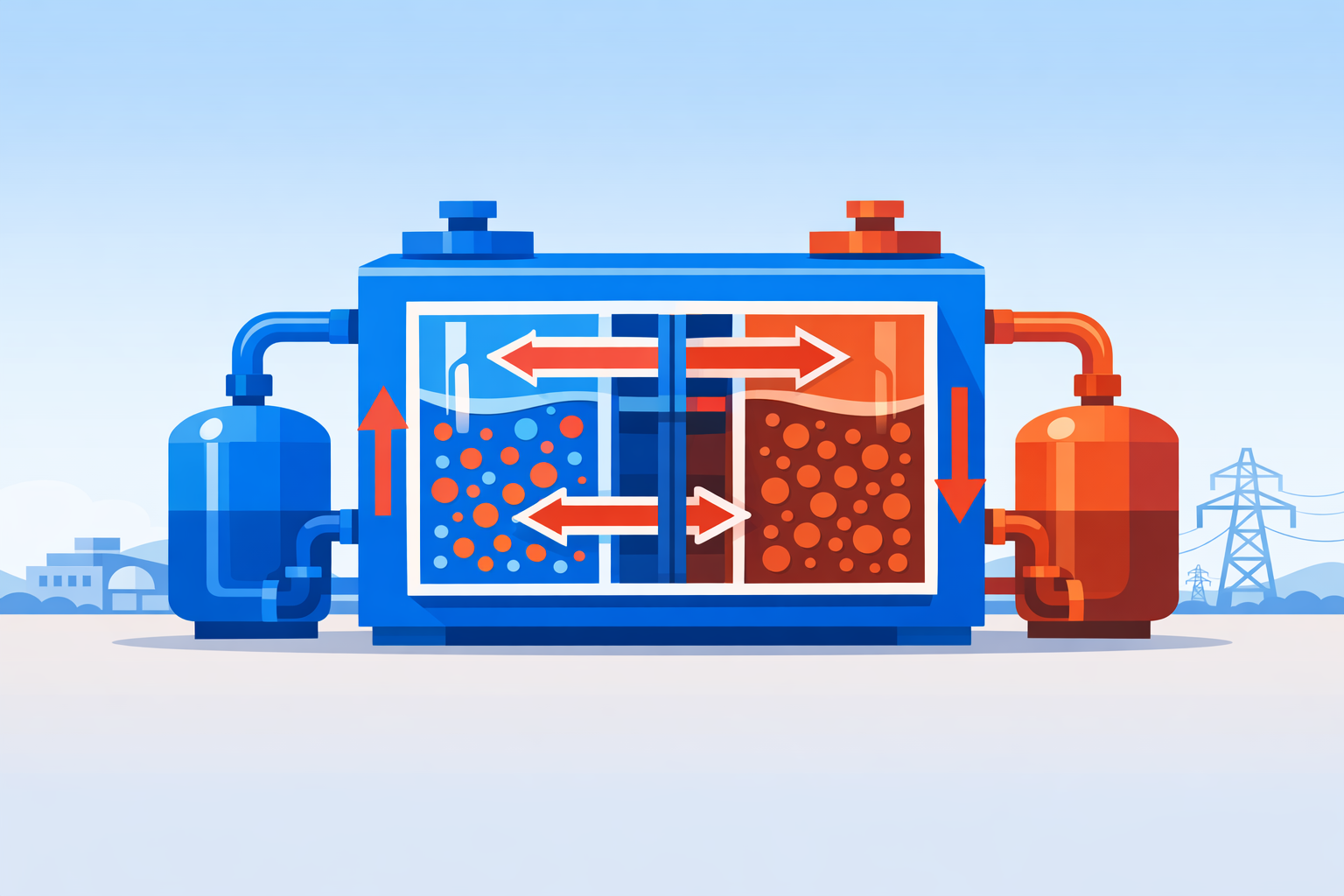
The CAS team developed a highly stable electrolyte capable of sustaining thousands of charge-discharge cycles with virtually no capacity loss, according to findings published in Advanced Energy Materials. The all-iron chemistry operates on a reversible iron redox mechanism: during discharge, the battery converts iron into rust; during charging, the rust reverts to iron. Beyond the performance breakthrough, the team established systematic molecular design principles and evaluation methods for iron-based electrolytes, advancing all-iron systems toward higher reliability, longer service life, and lower levelized cost of electricity.
The economic case hinges on raw material costs. Lithium costs over 80 times more than iron as a raw industrial material, according to reporting citing CAS research data. Earlier work by researchers at the Dalian Institute of Chemical Physics within the CAS system projected an all-iron flow battery system cost of as low as $76.11 per kWh based on a 10-hour system configuration, according to a study published in the Journal of Energy Chemistry. Separately, researchers at Case Western Reserve University are targeting $30 per kilowatt-hour for iron-based flow batteries - well below the U.S. Department of Energy's $100/kWh goal for long-duration storage.
Flow battery architecture offers fundamental advantages for grid-scale storage: power and energy capacity scale independently by enlarging electrolyte tanks, electrodes are not consumed during operation - supporting long service life - and aqueous electrolytes eliminate the fire risk associated with lithium-ion systems. Iron-based systems carry no risk of thermal runaway, making them significantly easier to permit and install.
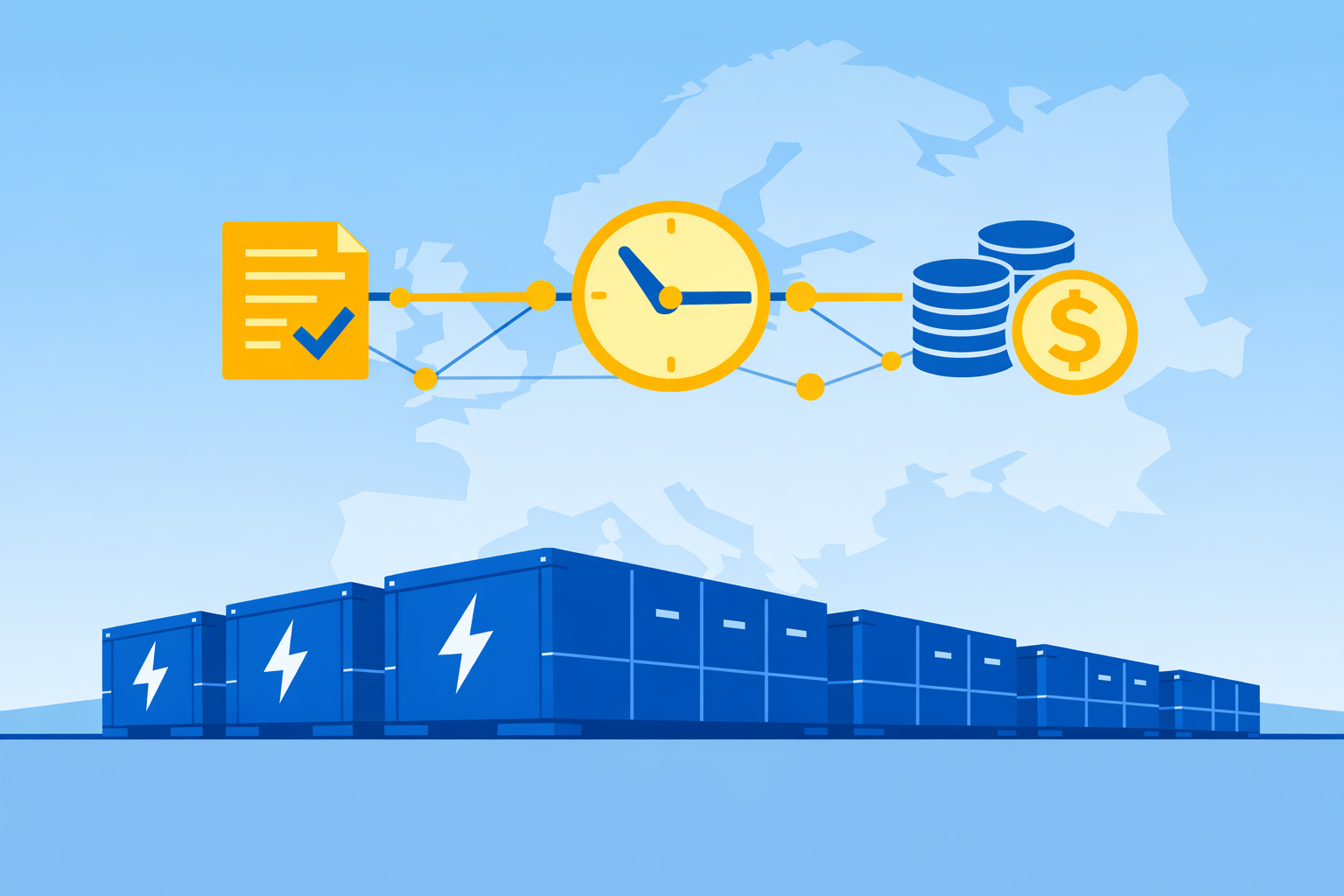
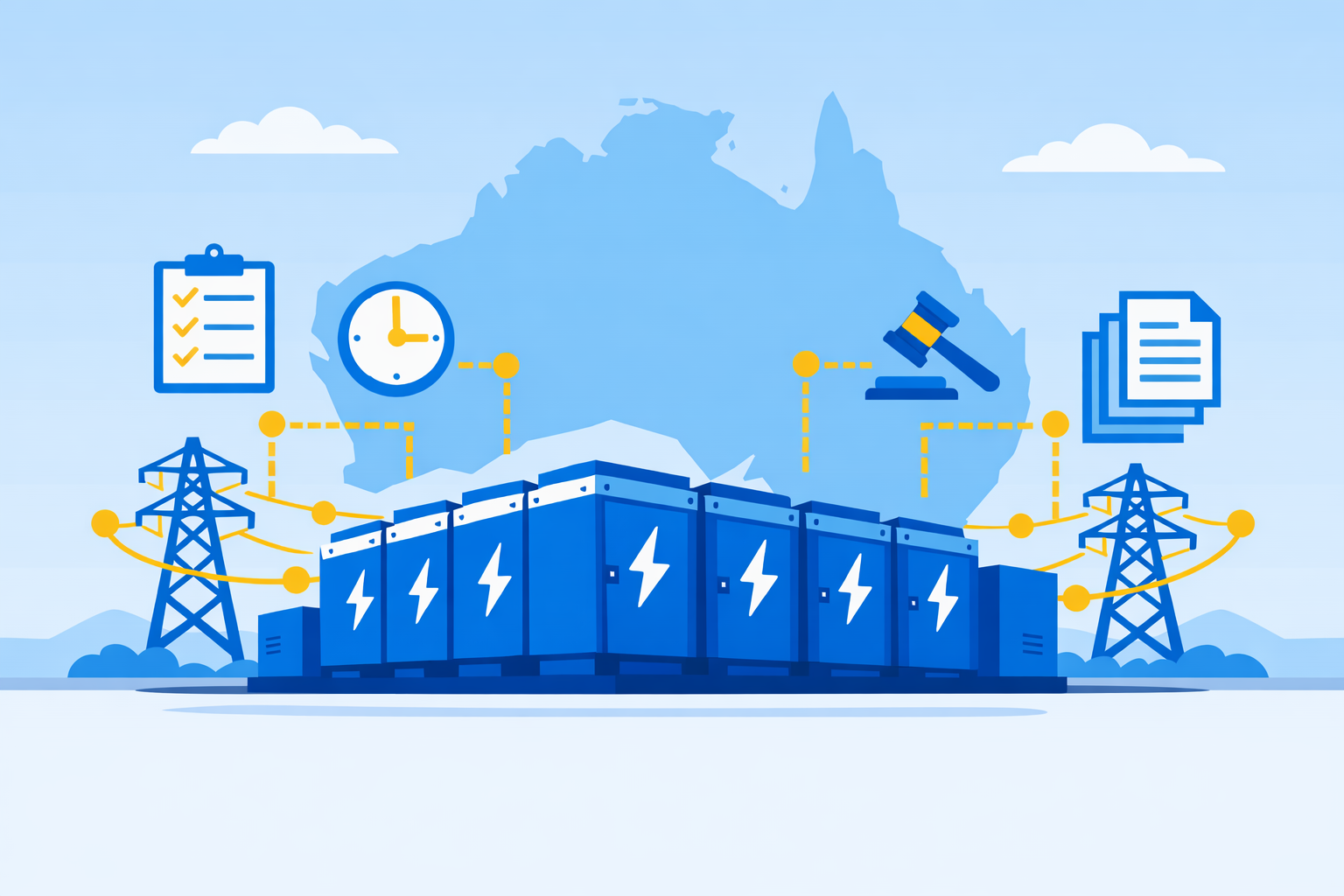
At the market level, the cost balance point between all-vanadium and iron-based systems currently favors iron chemistry for storage durations exceeding eight hours. A parallel standards dynamic is emerging: IEC flow battery standard TC 21, led by China, competes with the UL certification system used in Europe and the United States - a divergence that could affect procurement timelines for international developers seeking certified iron-flow products.
Outlook
Commercialization challenges remain; experts estimate that rebuilding production capacity and scaling manufacturing could take several years. The U.S. grid alone would require 225-465 gigawatts of long-duration energy storage capacity by 2050, necessitating a net investment of $330 billion - a demand signal that could accelerate qualification and procurement of alternative chemistries. Whether the CAS results translate from laboratory to grid-scale deployment will depend on securing regulatory certification across major markets and demonstrating performance stability at commercial scale, conditions that independent analysts note the iron-flow sector has yet to fully satisfy.