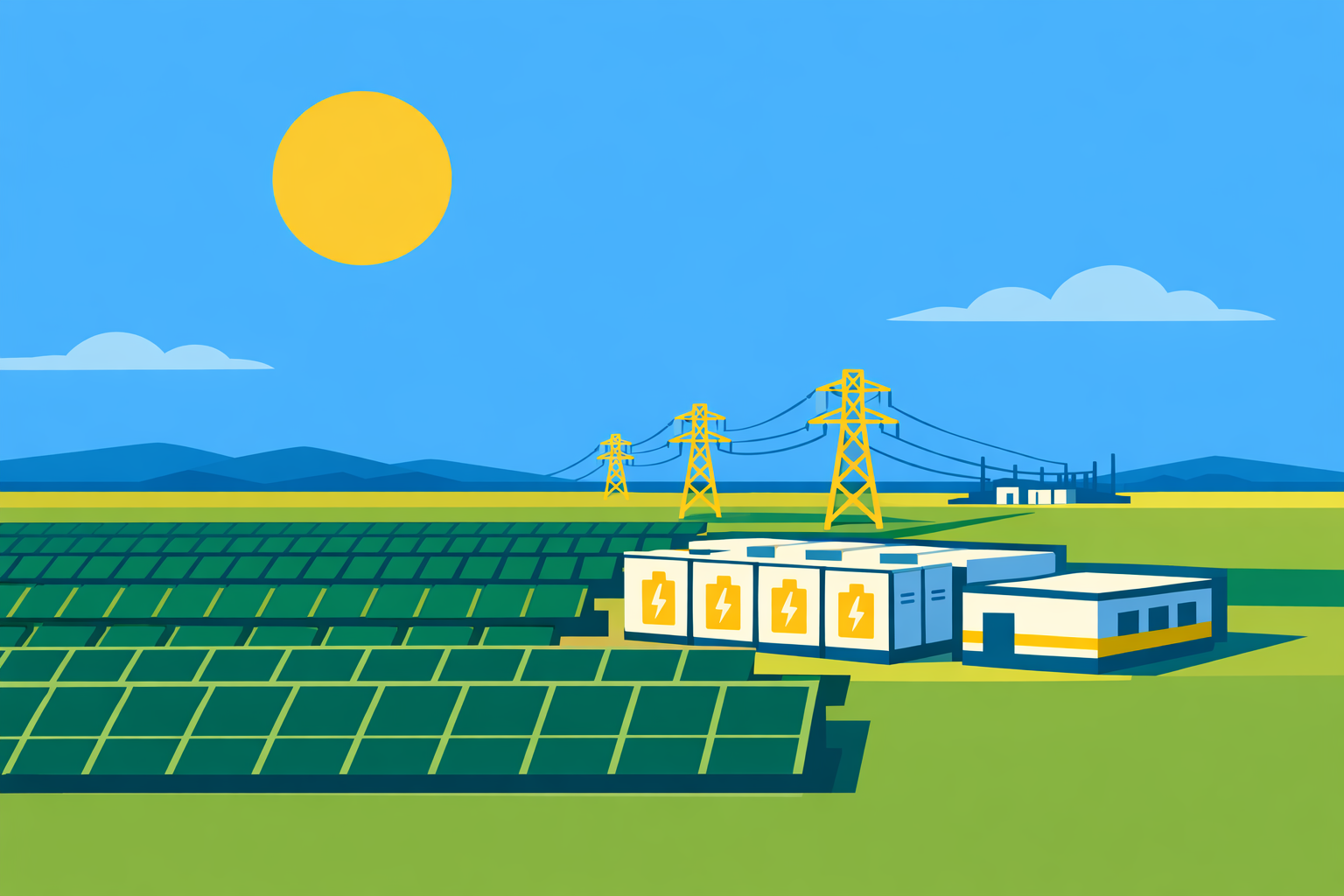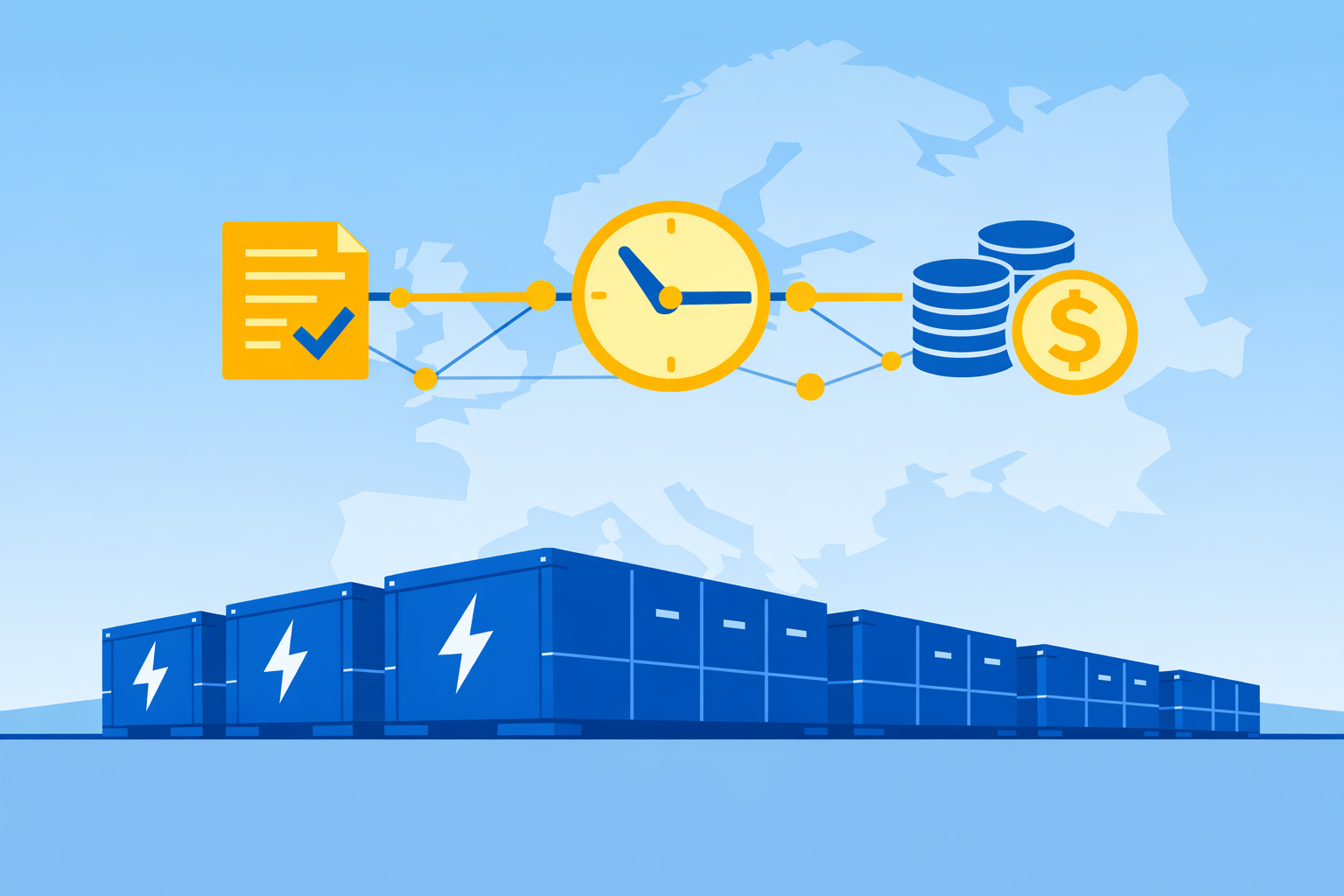
A proposed 130-megawatt lithium-ion battery energy storage facility in the Snoqualmie area has entered formal evaluation, drawing scrutiny over safety, siting, and public engagement. The Cascadia Ridge project, developed by Jupiter Power, is planned across Snoqualmie Parkway from Snoqualmie Ridge and adjacent to Fisher Creek Park in unincorporated King County. The facility would connect to the Mt. Si substation to enhance grid reliability and resiliency. Jupiter Power anticipates submitting a permit application by late 2025, with construction starting in 2027 and commissioning by late 2028, according to company materials.
Background
Cascadia Ridge is one of several proposed battery energy storage systems (BESS) in Washington designed to support increasing integration of intermittent renewables such as wind and solar. Large-scale BESS play a key role in regional clean energy strategies; however, projects near residential neighborhoods or sensitive environments commonly face opposition. In Sedro-Woolley and Skagit County, local groups and city officials have cited concerns about environmental impacts and safety risks, particularly fire hazards related to lithium-ion batteries and nearby wetlands.
Details
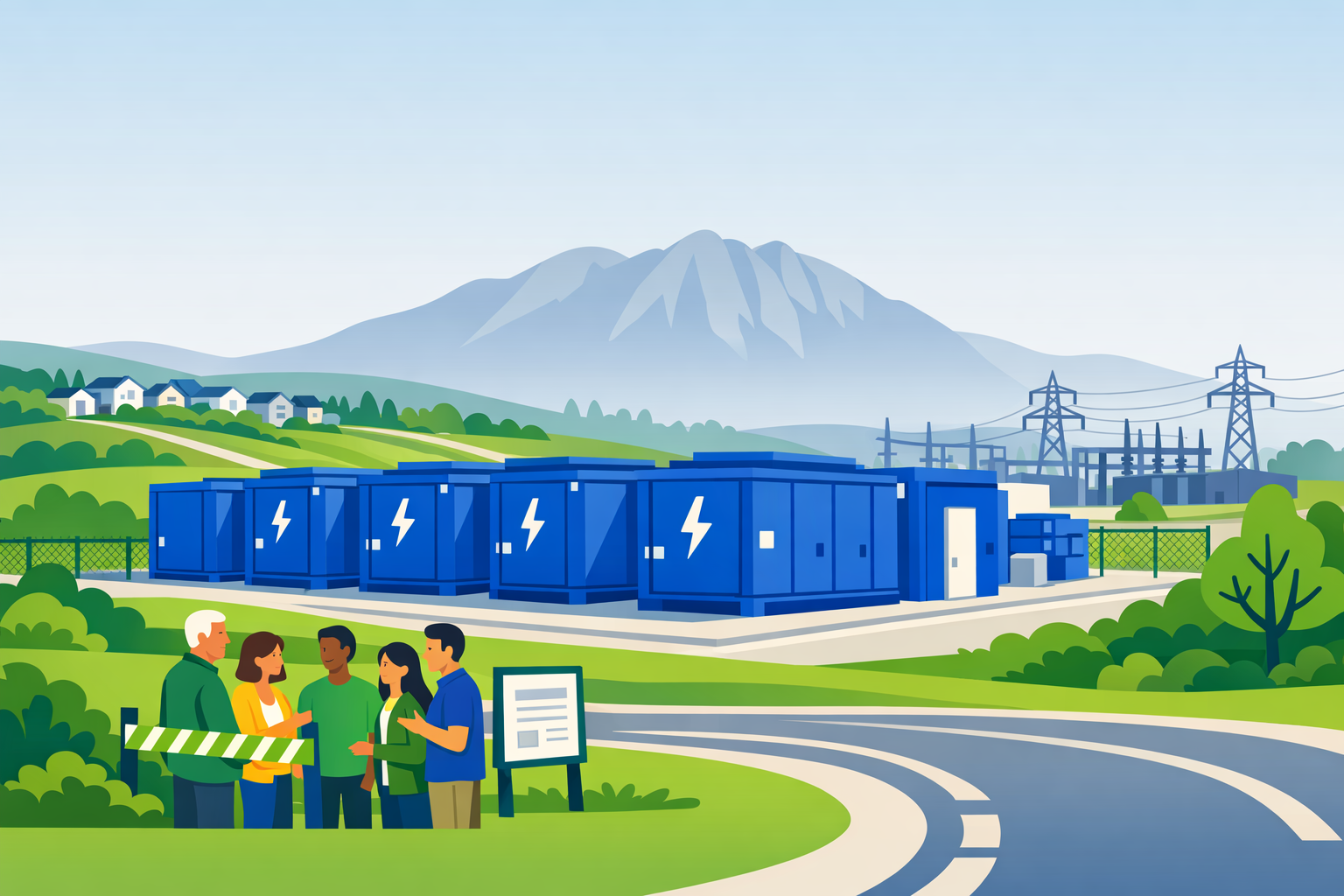
Jupiter Power states the facility will improve grid flexibility, store excess renewable energy, and reduce peak demand without raising electricity costs for local residents. The project would occupy approximately 45 acres south of Fisher Creek Park, across from Snoqualmie Ridge, with a tie-line extending across Puget Sound Energy property to the Mt. Si substation.
Residents, city council members, and environmental organizations have raised questions about the transparency and inclusiveness of community consultation, noting limited initial outreach. Key concerns include the project's proximity to homes, schools, and parklands; potential noise and visual impacts; and the sufficiency of emergency response protocols for scenarios such as thermal runaway and wildfire. Fire safety standards and community-defined siting criteria are under close review, referencing previous BESS challenges in Washington communities.
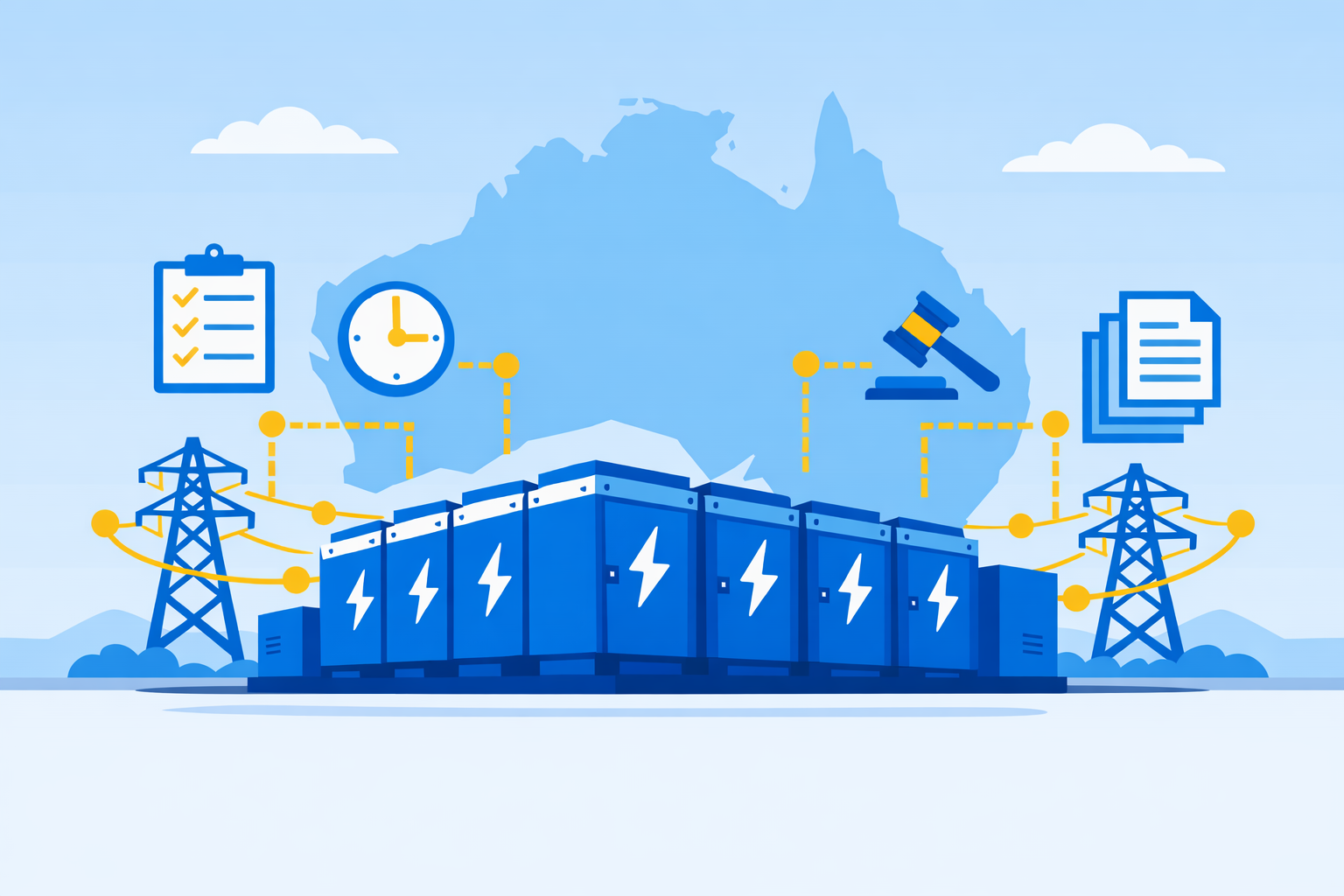
Washington regulators will conduct a multi-agency review covering compliance with state and local codes, air and water permits, and local fire safety approvals. Some observers suggest the process could establish a precedent for mid-scale storage siting in suburban and rural areas, depending on how regulators address stakeholder feedback and implement risk reduction measures.
Outlook
Effective integration of community concerns-including independent safety verification, comprehensive emergency plans, and possible siting changes-may position Snoqualmie as a model for responsible BESS deployment. The project's public process and adherence to regulatory standards could influence future grid storage decisions balancing energy needs with community and environmental safeguards.